Email: [email protected]
Email: [email protected]

Industry News
 2026.11.06
 Industry News
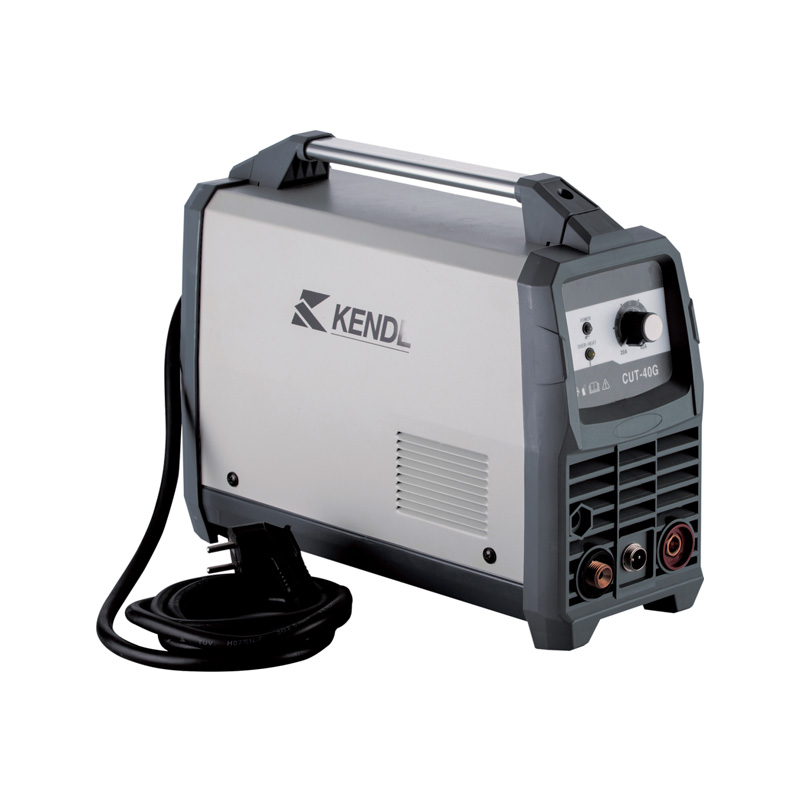
A welding machine factory builds the power source that turns the electricity into the arc that joins the metal. The factory winds the transformers, assembles the circuit boards, and tests every machine under load before it ships. The welding machine is not a single product. It is the stick welder, the MIG, the TIG, and the multi-process unit, each with its own arc characteristics. The factory that builds all of them has to control the output, the duty cycle, and the durability that the welder depends on.
The older welding machine is built around the heavy transformer that steps the voltage down and the current up. The transformer is wound in-house from the copper or the aluminum wire on the laminated steel core. The number of turns and the wire gauge set the output amperage and the duty cycle.
The modern machine is the inverter. It switches the input power at the high frequency, which shrinks the transformer and cuts the weight. The inverter is smaller, lighter, and more efficient. The welding machine factory that builds the inverters controls the switching and the thermal management. The electronics are less forgiving than the transformer.
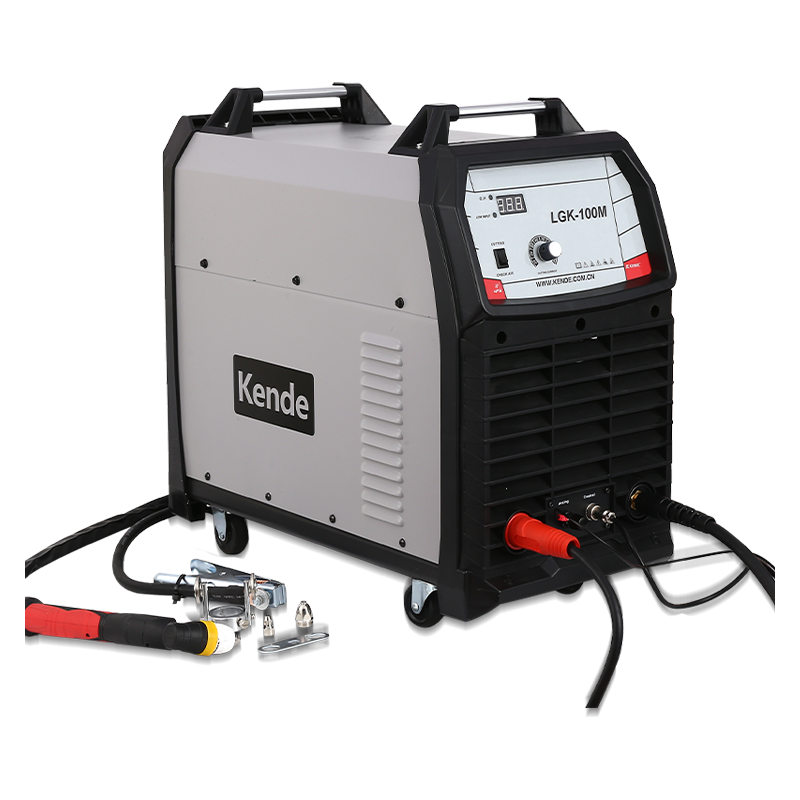
The MIG welder feeds the wire into the arc. The wire feed is the part that fails most often. The drive rollers grip the wire and push it through the liner to the torch. The rollers are the hardened steel with the groove matched to the wire diameter. The gear case is the metal, not the plastic. The welding machine factory that builds the MIG with the metal gears and the quality rollers produces the feed that lasts through the production welding.
The welding shop is full of the conductive dust: the grinding fines and the metal particles. The cooling fan pulls the air through the machine. The welding machine factory that coats the circuit boards with the conformal coating keeps the dust off the components. The factory that skips the coating ships the machine that fails in the dirty shop within the year.
The duty cycle tells how long the machine can run at the given amperage before it overheats. The machine rated at 200 amps with the 60 percent duty cycle welds for the six minutes out of the ten and cools for the four. The welding machine factory that publishes the honest duty cycle rating lets the buyer match the machine to the production pace.
Here is what a welding machine factory has to deliver:
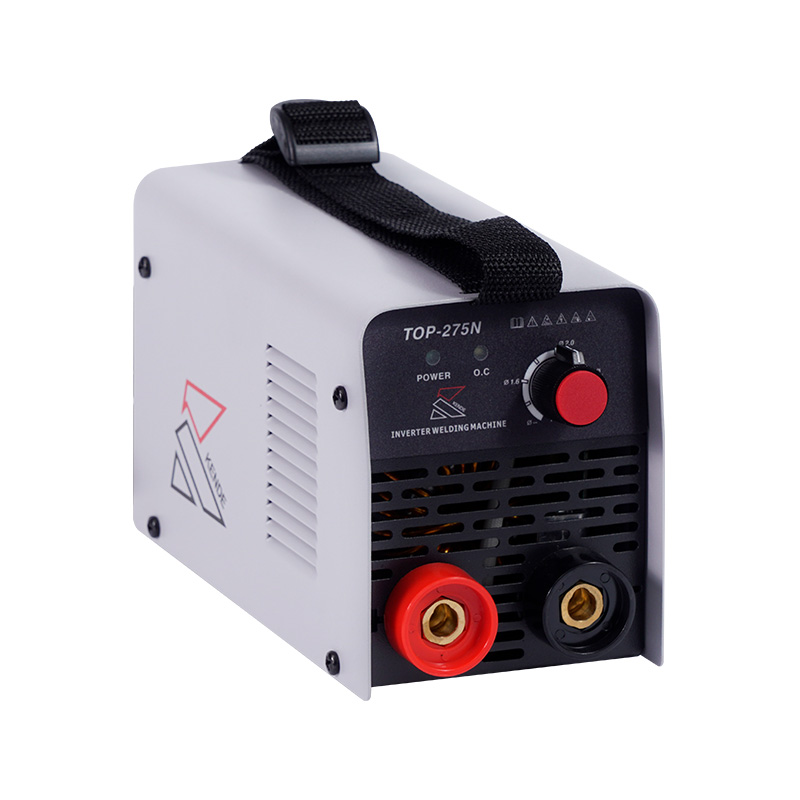
The stick welders go to the repair shops, the farms, and the construction sites. The MIG welders go to the fabrication shops and the auto body shops. The TIG welders go to the precision shops and the stainless fabricators. The welding machine factory ships the power source that matches the work.
Every machine should run before it ships. The test bay strikes the arc on the steel plate, checks the amperage against the setting, and verifies the duty cycle. The welding machine factory that tests under the load catches the loose terminal and the misrouted wire before the customer does.
A welding machine factory builds the power source that makes the welding possible. The transformer or the inverter converts. The controls set the arc. The wire feed delivers. Choose a factory that builds for the environment and rates the duty cycle honestly.
Recommended Products

Contact Us
No.2299, Luqiao Section, Shugang Avenue, Luqiao District, Taizhou, 318057 Zhejiang, PR China.
+86-576-82431568
 Privacy
China Welding Machine Factory
 English
 中文简体
 русский
 Español
 عربى
 Français
 Português
 Deutsch
 Український