Email: [email protected]
Email: [email protected]

Industry News
 2026.02.24
 Industry News
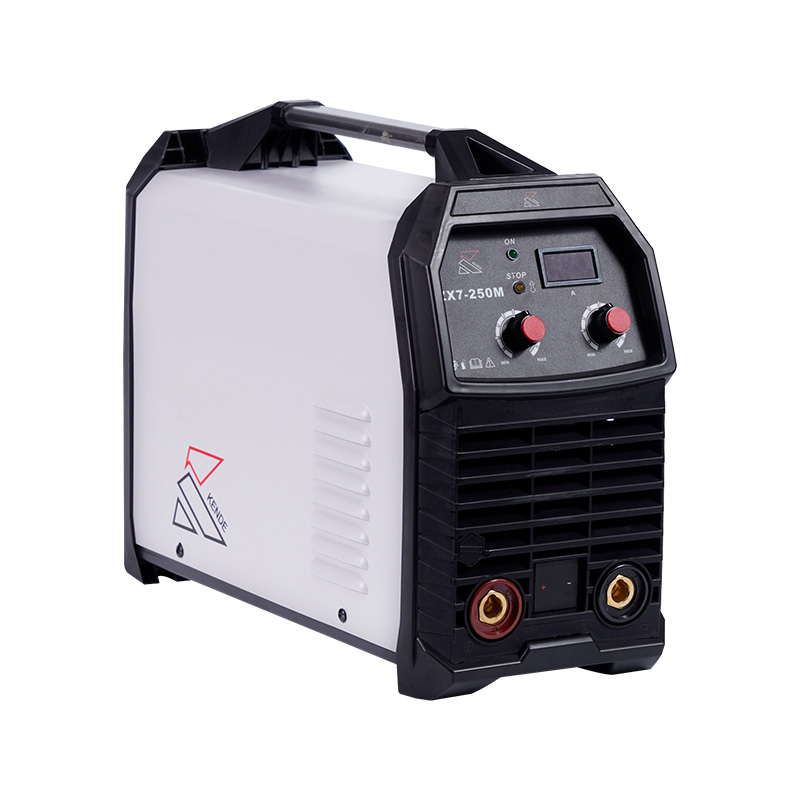
Welding machines are essential tools in metal fabrication, construction, and industrial manufacturing. A Welding Machine Factory plays a critical role in producing reliable and durable equipment that meets the demands of various industries. Understanding the manufacturing processes, quality control measures, and production capabilities helps explain why these factories are vital to the welding industry.
The production of welding machines begins with high-quality raw materials. Components such as transformers, rectifiers, control panels, and casings are carefully sourced to ensure durability and safety. A professional Welding Machine Factory prioritizes materials that can withstand heat, electrical load, and prolonged operational stress. Using reliable components reduces failures during use and extends the lifespan of the machines.
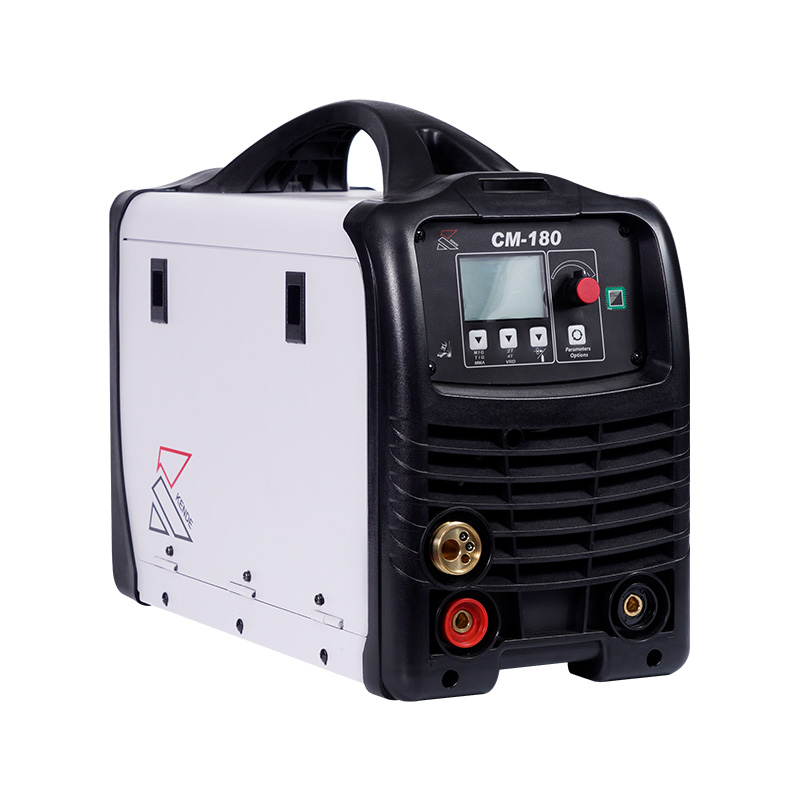
Once materials are prepared, the factory assembles welding machines through a combination of automated and manual processes. Assembly lines are organized to handle different types of welding machines, such as MIG, TIG, and arc welders. Each stage of assembly is designed to maintain consistency, from mounting the internal electrical components to fitting the outer casing.
In a Welding Machine Factory, workers and technicians follow detailed assembly instructions, ensuring that each machine meets technical specifications. Automated testing equipment is often integrated into the production line to verify electrical performance and safety parameters before machines move to the next stage.
Quality control is a central aspect of a Welding Machine Factory. Finished machines undergo rigorous testing for voltage stability, current output, heat tolerance, and operational reliability. Factories also conduct safety inspections, ensuring that insulation, grounding, and protective systems meet industry standards.
Testing may include running machines under simulated operating conditions to detect potential defects. Any unit that does not meet performance benchmarks is sent back for adjustments or repairs. This careful approach ensures that the final products delivered to customers are consistent and reliable.
Many Welding Machine Factories offer customized solutions to meet specific customer requirements. Customization can include voltage specifications, amperage ranges, control systems, or even aesthetic options like casing color and design. This flexibility allows manufacturers to cater to different markets, from small workshops to large industrial operations.
Additionally, factories may produce a range of welding machines, including portable units, heavy-duty industrial welders, and automated welding systems. A diverse product range enables the factory to address varied demands while maintaining efficiency in production.
A well-established Welding Machine Factory also provides after-sales support and guidance for maintenance. Clear instructions, replacement parts, and service options help customers maintain their machines in good working condition. Proper maintenance extends the service life of welding machines and reduces downtime in industrial operations.
Many welding machine factories focus on efficient production practices to reduce energy consumption and material waste. Advanced manufacturing techniques and lean production principles contribute to lower operational costs while maintaining product quality. Factories may also recycle metal scraps and packaging materials, promoting more sustainable industrial practices.
A Welding Machine Factory is more than just a production facility; it is a center of engineering, quality control, and industrial reliability. Through careful material selection, precise assembly, rigorous testing, and customizable production, these factories ensure that welding machines meet the expectations of various industries. By combining technical expertise with systematic manufacturing processes, a welding machine factory delivers equipment that is durable, safe, and adaptable to different applications. For manufacturers, distributors, and end-users, understanding the factory's capabilities highlights the importance of professional production in maintaining consistent performance and operational reliability.
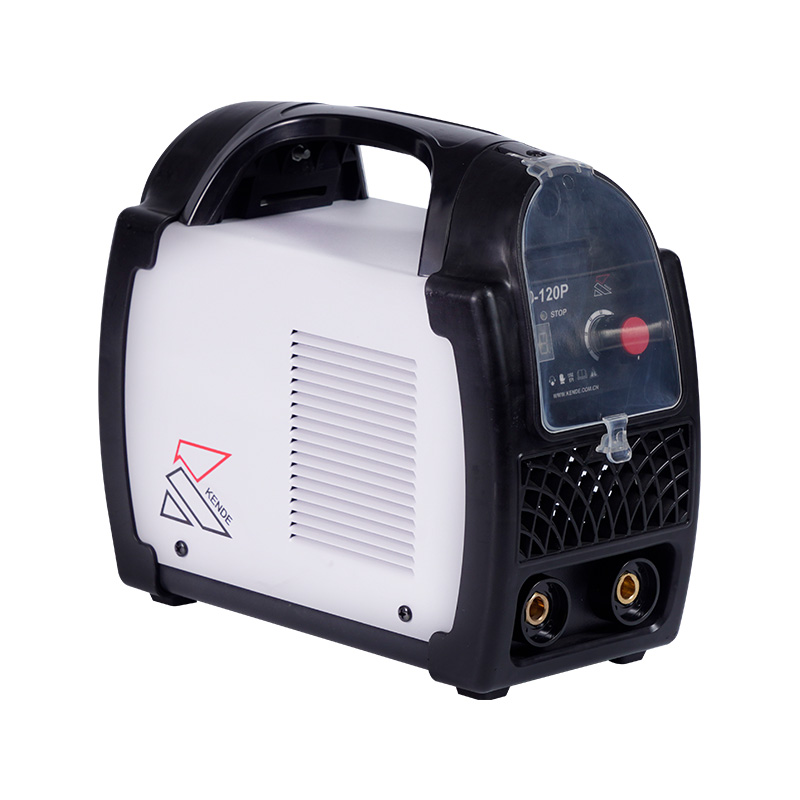
Recommended Products

Contact Us
No.2299, Luqiao Section, Shugang Avenue, Luqiao District, Taizhou, 318057 Zhejiang, PR China.
+86-576-82431568
 Privacy
China Welding Machine Factory
 English
 中文简体
中文简体
 русский
 Español
 عربى
عربى
 Français
 Português
 Deutsch
 Український