Email: [email protected]
Email: [email protected]

Industry News
 2026.08.21
 Industry News
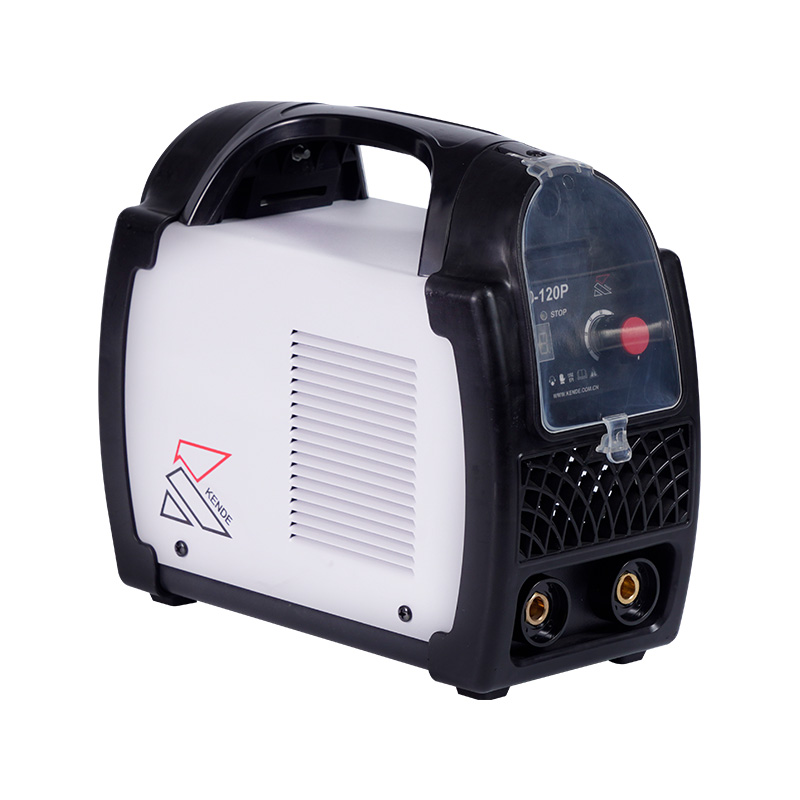
A welder on a construction site pulls a trigger. An arc ignites. Metal melts and fuses. The machine that made that possible came from a factory floor where transformers are wound, circuit boards are assembled, and every unit is tested under load before it ships. A welding machine factory produces the power sources that turn electricity into the controlled heat of a weld. The machines range from portable inverter units a worker carries in one hand to industrial systems bolted to a production line. What they share is the factory's responsibility to deliver reliable output every time the arc strikes.
The transformer is where wall power becomes welding power. A welding machine factory winds copper or aluminum coils around laminated steel cores. The winding determines the output amperage and the duty cycle. Inverter machines replace the heavy transformer with compact ferrite cores and high-speed switching, but the principle stays: convert incoming power into a stable, controllable welding current.
The control board is the brain. It reads the operator's settings and adjusts the output in real time. A welding machine factory that writes its own control software can shape the arc characteristics for different electrodes, wires, and shielding gases. The difference between a smooth MIG arc and a sputtering one is often in the control board code.
A welding machine works in the dirt. Grinding dust hangs in the air. Metal particles settle on every surface. A welding machine factory that coats circuit boards with conformal coating keeps that conductive dust from shorting the electronics. The fan draws air through the chassis. If the airflow path is badly designed, the machine overheats and derates just when the welder needs full power.
The case has to survive being lifted in and out of truck beds, bumped with a hammer, and left in the rain. A welding machine factory using heavy-gauge steel or impact-resistant polymer cases builds machines that last. The handles have to be strong enough to lift the machine by. The feet have to stop it from sliding on a truck floor.
Here is what the factory has to get right:
Construction sites run on generators. The voltage swings. The frequency drifts. A welding machine factory that builds input tolerance into the machine lets it run on dirty power without fault codes. The welder does not have to hunt for a clean outlet.
Stick welders are the simplest machines. They run on 110V or 220V and handle farm repair, maintenance, and outdoor structural work. A welding machine factory builds stick machines that are forgiving of long extension cords and variable input.
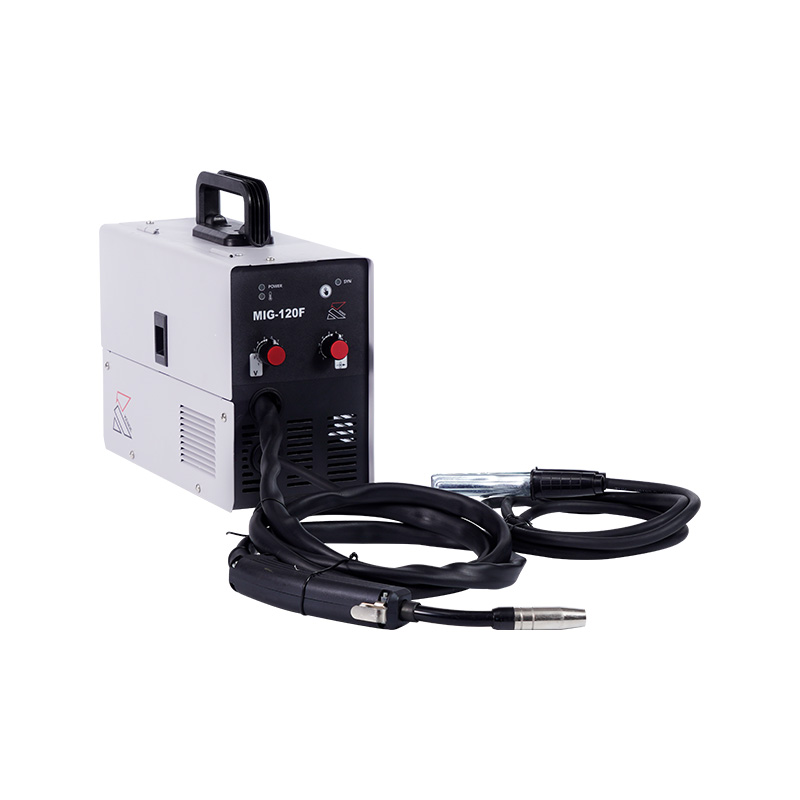
MIG welders are faster. They feed wire automatically and weld continuously. A welding machine factory building MIG machines focuses on the wire feed, the drive rollers, the liner, the torch, and the motor. A MIG machine with a poor wire feed is a frustrating tool.
TIG welders are the precision end. They weld thin metal and exotic alloys. A welding machine factory building TIG machines adds high-frequency start, AC/DC output, and pulse control. The arc has to be steady at low amperage, which tests the control electronics harder than any stick machine.
Every machine gets run before it leaves the factory. A welding machine factory with a proper test bay burns actual welds on steel plate. The arc is struck. The amperage is checked. The duty cycle is verified. A machine that cannot hold its rated output does not ship.
The test bay also catches the assembly errors that look fine on the bench. A loose terminal. A misrouted wire. A fan that vibrates. The welding machine factory that tests under load catches these before the customer does.
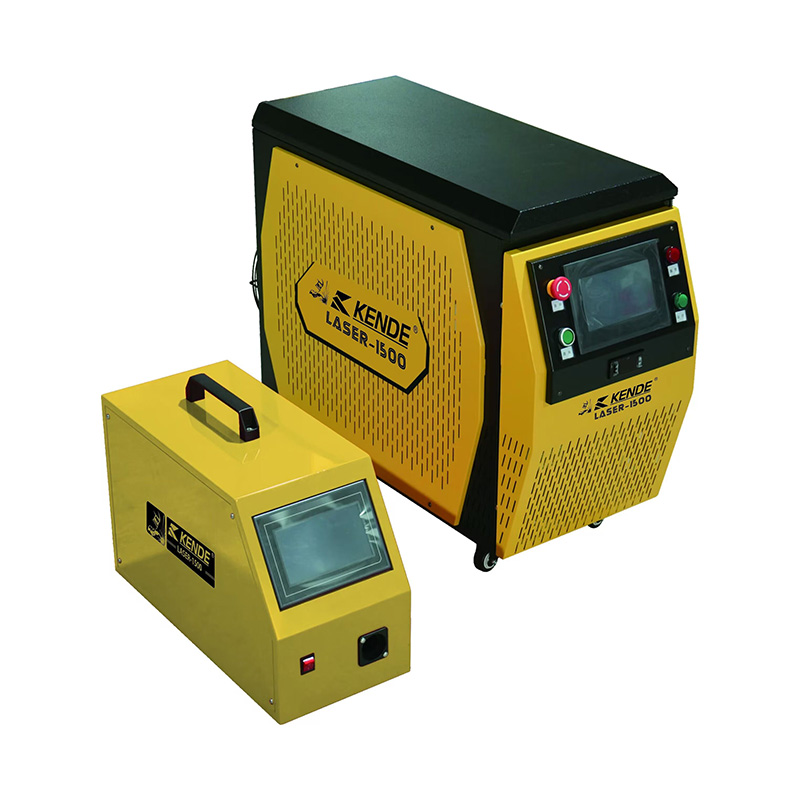
The machine powers up but no arc strikes. The control board failed. Conformal coating and quality components prevent this. The arc starts and sputters. The wire feed is inconsistent. Metal gears and hardened drive rollers prevent this. The machine overheats and shuts down mid-job. The airflow design was inadequate or the fan failed. A welding machine factory that specs quality fans and designs clean airflow paths prevents thermal shutdown.
A welding machine factory builds the tool that joins steel beams, aluminum hulls, and stainless pipe. The transformer converts the power. The control board shapes the arc. The frame protects it all. Choose a manufacturer that tests every machine under load, builds for dirty power, and does not cheap out on the components the welder cannot see. The arc will strike and the weld will hold. That is the factory's entire reputation in one machine.
Recommended Products

Contact Us
No.2299, Luqiao Section, Shugang Avenue, Luqiao District, Taizhou, 318057 Zhejiang, PR China.
+86-576-82431568
 Privacy
China Welding Machine Factory
 English
 中文简体
中文简体
 русский
 Español
 عربى
عربى
 Français
 Português
 Deutsch
 Український