Email: [email protected]
Email: [email protected]

Industry News
 2026.03.25
 Industry News
When people think about industrial production, they often picture assembly lines, robotic arms, or massive steel structures. Rarely do they consider where the machines that make these structures possible are built. A Welding Machine Factory plays a fundamental role in this process. It is the place where equipment designed to fuse metal components together is engineered, assembled, and tested before being sent out into the world.
Behind every bridge, vehicle frame, or heavy-duty pipeline, welding technology has likely played a part. And behind that technology stands a factory dedicated to building reliable welding machines.
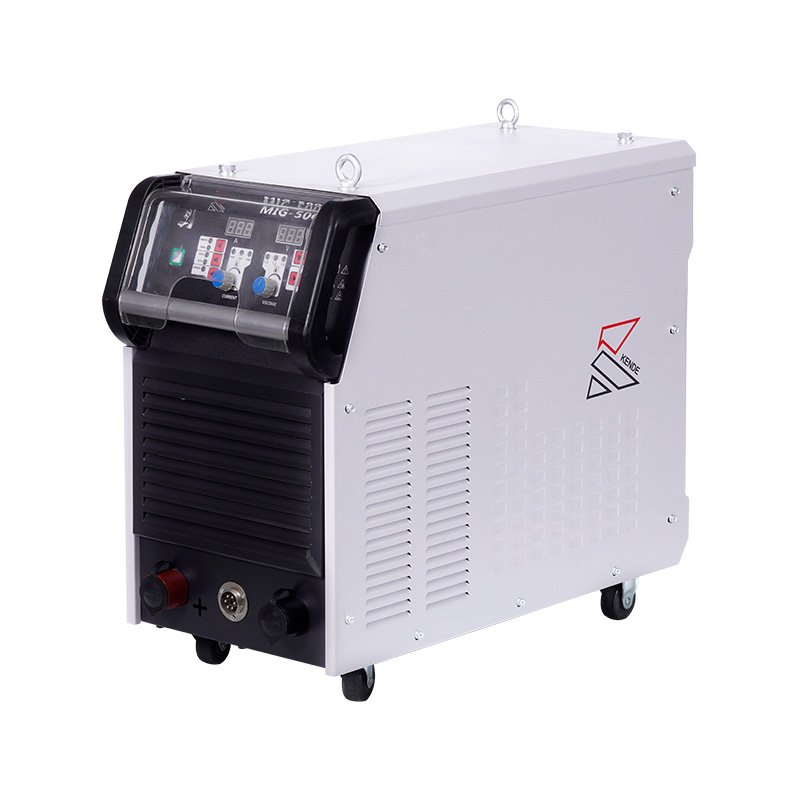
Inside a Welding Machine Factory, production begins with carefully sourced electrical components, transformers, circuit boards, and metal housings. These parts are assembled into machines capable of generating controlled arcs and stable output for various welding processes.
Precision matters. Even small inconsistencies in assembly can affect arc stability or energy efficiency. For this reason, factories implement detailed inspection routines and standardized procedures. Each unit is typically tested before shipment to ensure it performs according to specifications.
By maintaining consistent manufacturing standards, a Welding Machine Factory supports industries that rely on dependable equipment for daily operations.
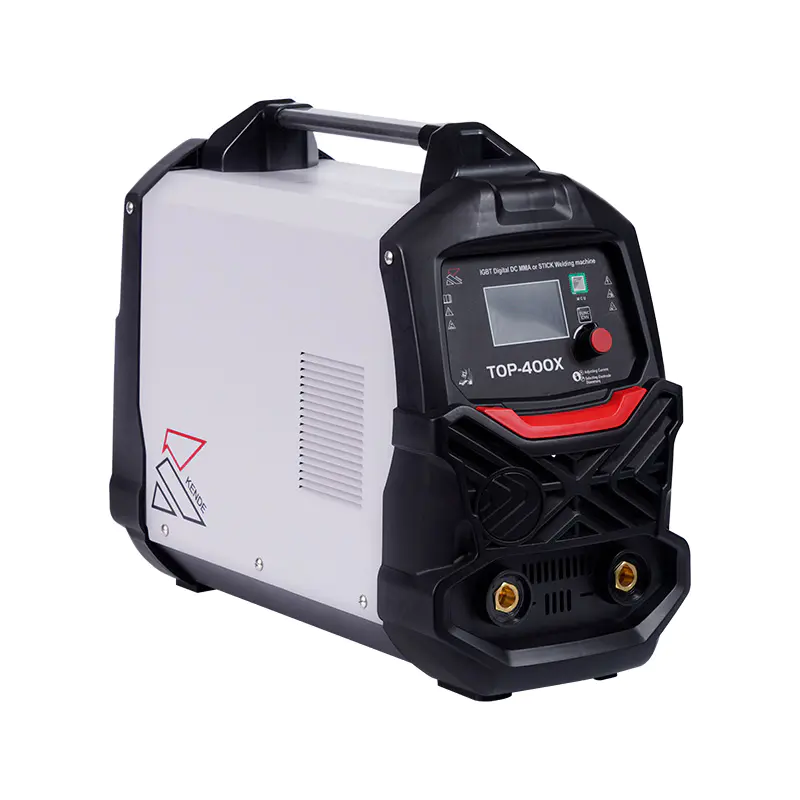
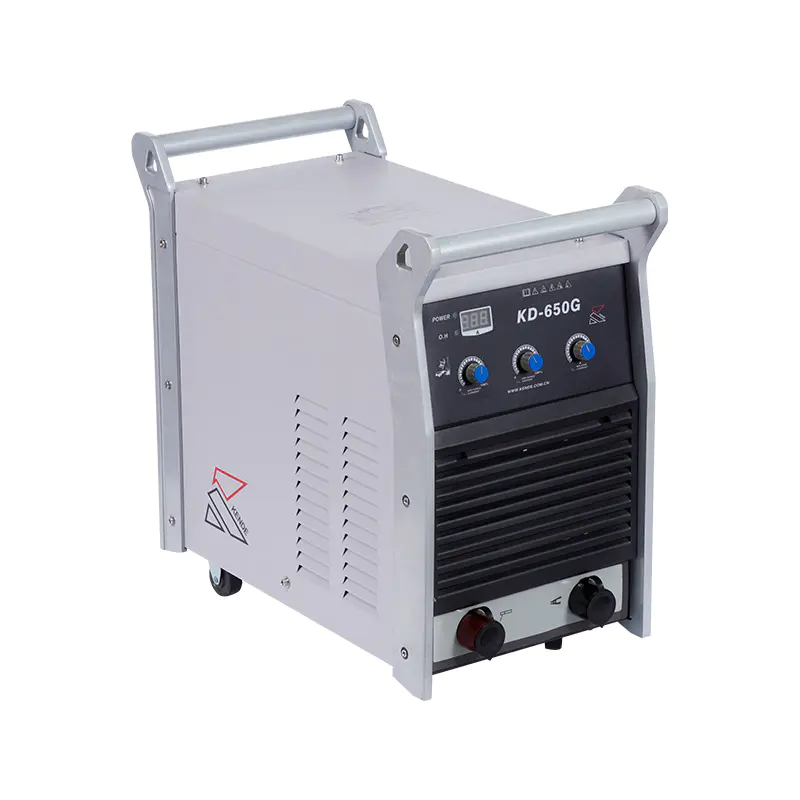
Not all welding tasks are the same. Some industries require compact machines for maintenance and repair, while others depend on heavy-duty systems for continuous production. A Welding Machine Factory must therefore offer a diverse range of models to address different applications.
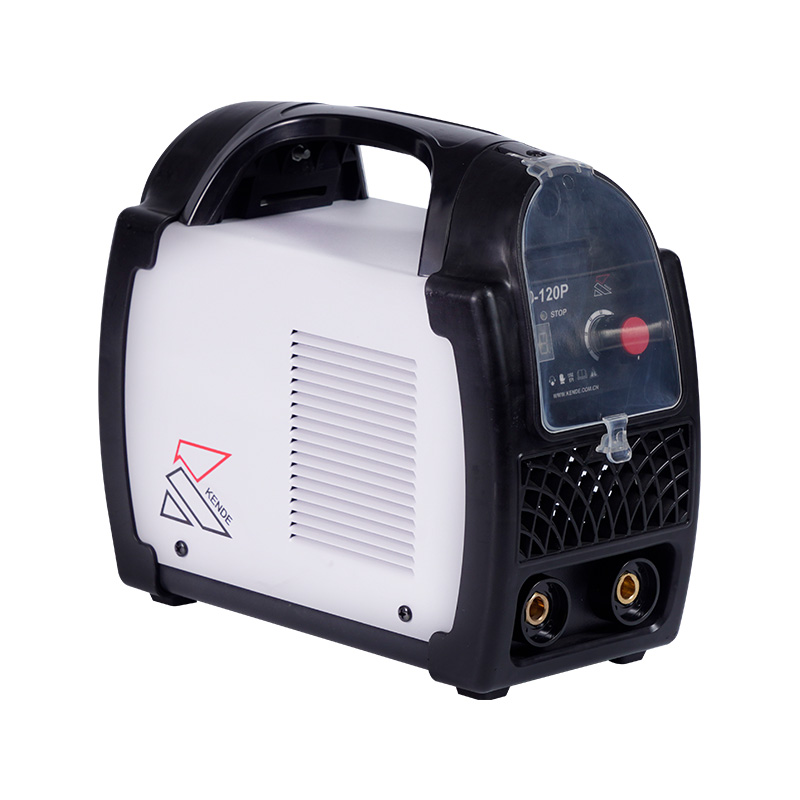
From portable inverter welders to larger industrial systems, each design responds to specific requirements such as material thickness, working environment, or power supply conditions. Flexibility in production allows factories to serve construction companies, automotive workshops, shipyards, and fabrication plants alike.
This adaptability is essential in a global market where demand shifts across regions and sectors.
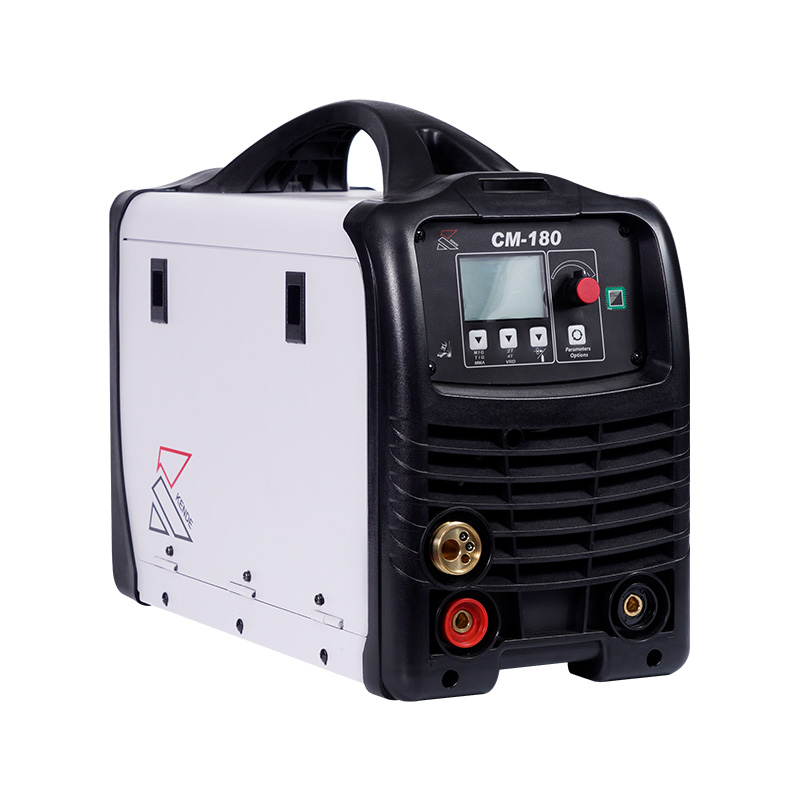
Modern welding machines incorporate digital controls, energy-saving features, and improved cooling systems. A Welding Machine Factory integrates these technologies while ensuring that the equipment remains user-friendly and durable.
Operators often work in demanding environments—dusty workshops, outdoor construction sites, or high-temperature industrial plants. Equipment must withstand these conditions without frequent breakdowns. By combining thoughtful design with solid construction, factories help ensure that machines operate reliably over time.
At the same time, manufacturers pay attention to ergonomics. Clear control panels, stable casing, and manageable weight all influence how easily welders can use the machines.
Safety is a central concern in welding. Electrical insulation, stable output, and effective cooling are all critical to protecting users. A responsible Welding Machine Factory implements rigorous quality checks at each stage of production.
Testing often includes load simulations, voltage checks, and durability assessments. Compliance with international safety standards enables machines to enter various markets while meeting regulatory requirements.
This focus on safety not only protects end-users but also strengthens trust between manufacturers and distributors.
Energy efficiency has become increasingly important in industrial equipment. A Welding Machine Factory can contribute to sustainability by designing machines that reduce unnecessary power consumption and minimize material waste during production.
Additionally, improved component durability means fewer replacements and less electronic waste over time. Some factories also explore recyclable packaging or environmentally responsible sourcing of materials.
These efforts reflect a broader shift in manufacturing toward responsible production practices.
A Welding Machine Factory is more than a site for assembling equipment. It is a hub of engineering expertise, quality management, and technical development. The machines produced there enable countless industries to join materials, build structures, and create infrastructure.
By continuously refining designs and responding to market needs, these factories support the steady progress of construction, transportation, and manufacturing sectors worldwide.
In many ways, the impact of a Welding Machine Factory extends far beyond its walls. It supplies the tools that shape cities, industries, and everyday products—quietly powering progress through sparks and steel.
Recommended Products

Contact Us
No.2299, Luqiao Section, Shugang Avenue, Luqiao District, Taizhou, 318057 Zhejiang, PR China.
+86-576-82431568
 Privacy
China Welding Machine Factory
 English
 中文简体
中文简体
 русский
 Español
 عربى
عربى
 Français
 Português
 Deutsch
 Український