Email: [email protected]
Email: [email protected]

Industry News
 Home / News / Industry News / The Evolving Role of a Welding Machine Factory in Global Supply Chains
  2026.04.03
 Industry News
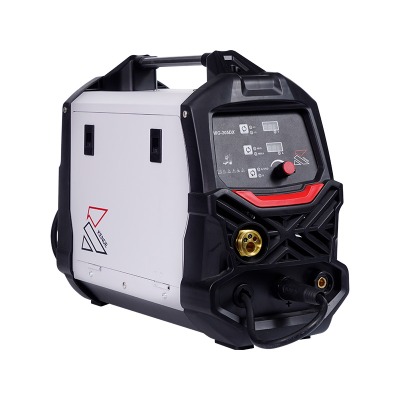
A Welding Machine Factory is no longer just a place where equipment is assembled. It has become a space where engineering, material selection, and user needs come together. As industries such as construction, automotive, and metal fabrication continue to evolve, factories are adjusting how they design and produce welding machines to stay relevant.
One key shift in any Welding Machine Factory is the focus on real-world usage. Instead of designing products based only on technical parameters, many factories now study how machines are used on job sites. Factors like portability, ease of maintenance, and compatibility with different power sources are considered early in the design stage.
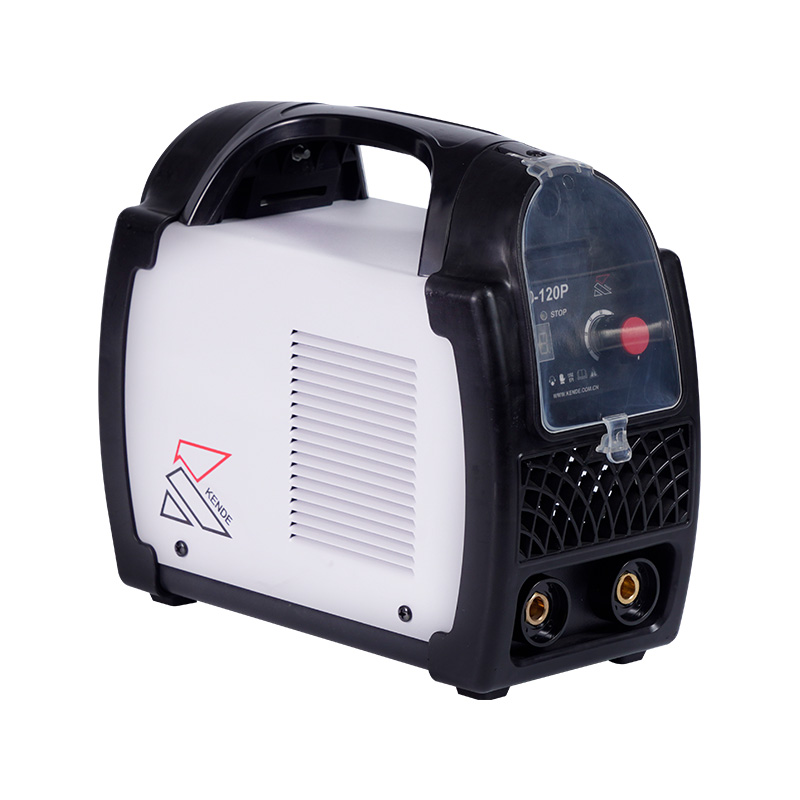
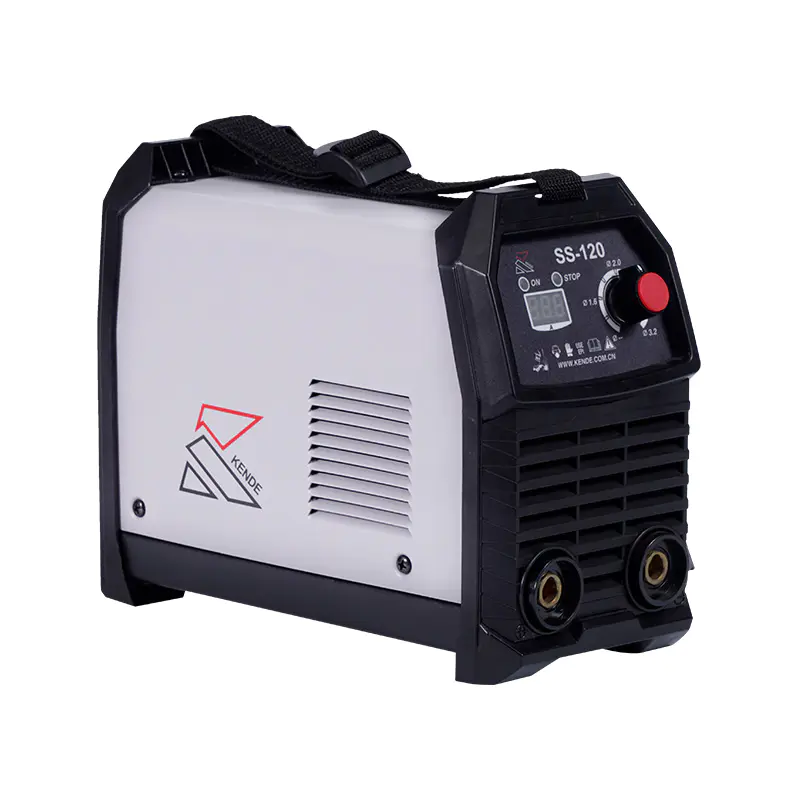
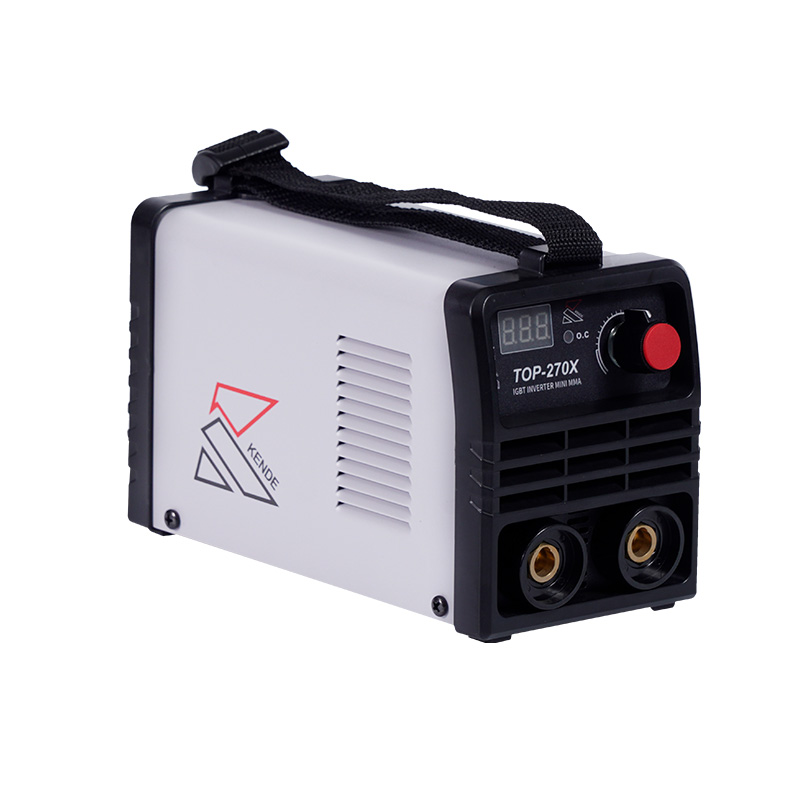
This approach helps ensure that machines are not only functional but also practical. For example, compact inverter welders are increasingly developed for users who need mobility without sacrificing stability during operation.
Another important aspect of a Welding Machine Factory is how it manages materials and components. The choice of internal parts, such as transformers, circuit boards, and cooling systems, directly affects performance consistency.
Factories often establish internal standards for sourcing components. This may include testing suppliers, running batch inspections, and maintaining traceability. By doing so, the factory can reduce variations between production runs and maintain a more stable output.
Inside the production line, the Welding Machine Factory typically organizes its workflow into clear stages. These include frame assembly, electrical integration, system calibration, and final inspection.
Automation plays a role in some steps, such as circuit board placement or casing production. However, manual inspection is still widely used, especially when checking welding performance. Skilled workers often test arc stability and adjust parameters before the machine is approved for shipment.
This combination of structured processes and hands-on verification helps maintain consistency across different product batches.
A modern Welding Machine Factory is expected to handle a wide range of product types. From small household welders to industrial-grade systems, flexibility has become a key capability.
To achieve this, factories may use modular design principles. This allows different models to share certain components while still offering variations in power output or functionality. As a result, production can be adjusted without fully redesigning the entire system.
This flexibility also supports customization requests, which are becoming more common in international markets.
Quality control is a continuous process rather than a final step. In a Welding Machine Factory, testing may occur at multiple stages, including during assembly and after completion.
Common checks include electrical safety tests, load performance evaluation, and durability simulations. Some factories also run extended operation tests to observe how machines behave over time.
These measures help identify potential issues early and reduce the risk of defects reaching end users.
Market demand for welding equipment can shift based on industry trends, infrastructure projects, and regional requirements. A responsive Welding Machine Factory monitors these changes and adjusts production planning accordingly.
For instance, increasing demand for energy-efficient equipment has encouraged factories to develop inverter-based machines with lower power consumption. At the same time, some markets still require traditional transformer welders, so maintaining a balanced product portfolio is important.
A Welding Machine Factory today is defined by more than its output. It reflects how well a company understands user needs, manages production processes, and adapts to changing conditions. By combining practical design, controlled manufacturing, and flexible planning, factories can support a wide range of applications while maintaining steady performance.
Recommended Products

Contact Us
No.2299, Luqiao Section, Shugang Avenue, Luqiao District, Taizhou, 318057 Zhejiang, PR China.
+86-576-82431568
 Privacy
China Welding Machine Factory
 English
 中文简体
中文简体
 русский
 Español
 عربى
عربى
 Français
 Português
 Deutsch
 Український