Email: [email protected]
Email: [email protected]

Industry News
 2026.04.10
 Industry News
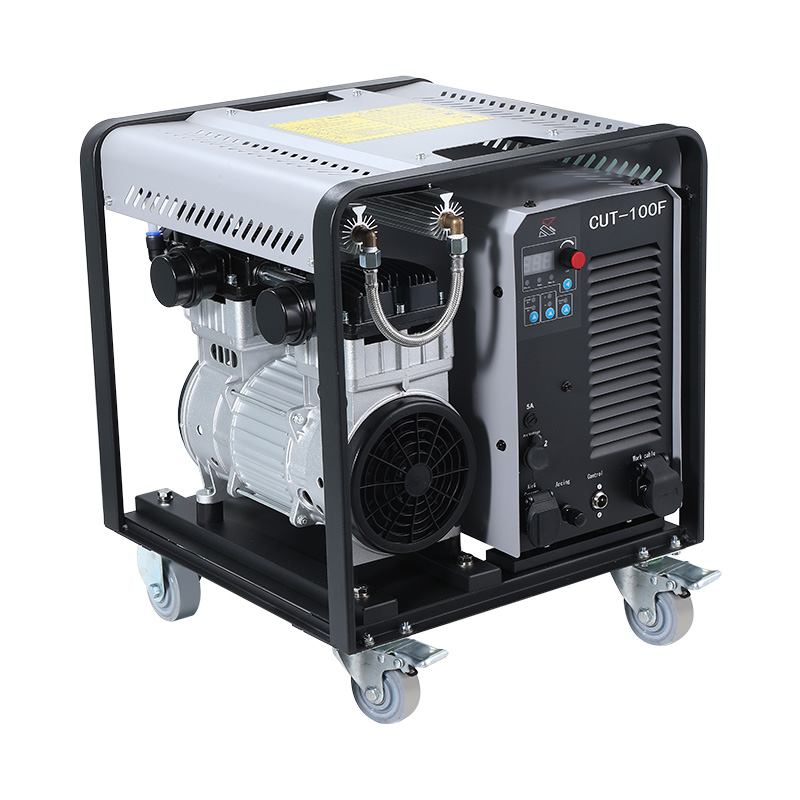
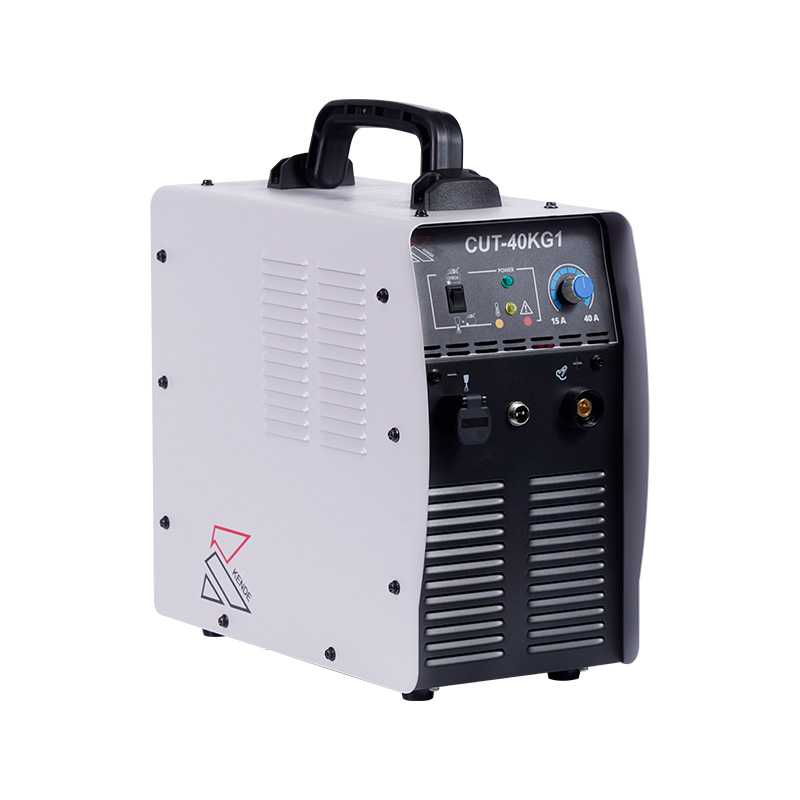
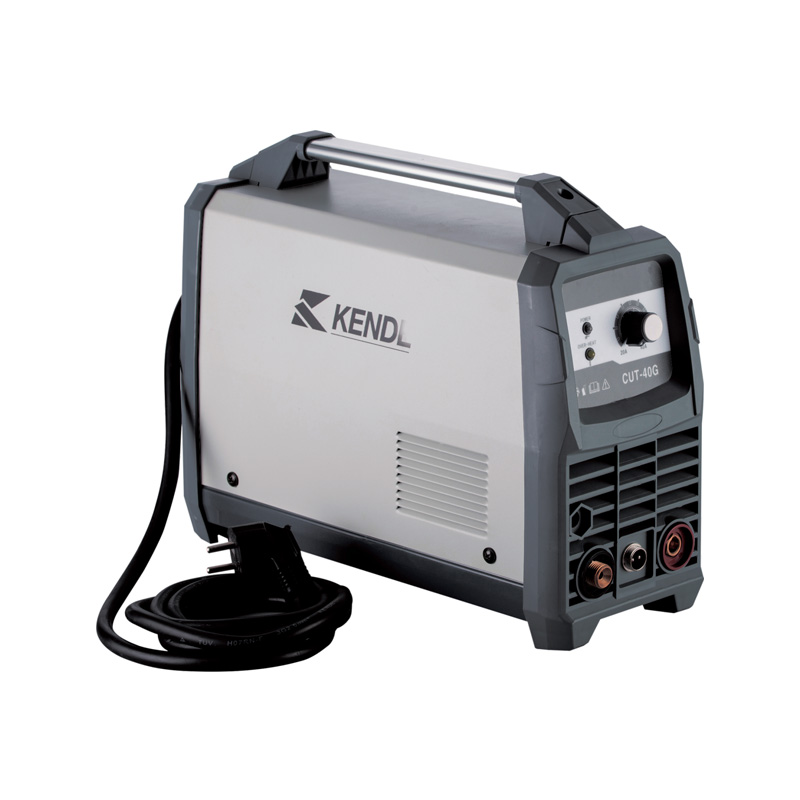
An Inverter Plasma Cutter has become a practical tool for many metalworking environments, from small workshops to larger fabrication sites. Its compact structure and stable output make it suitable for a wide range of cutting tasks. As technology continues to evolve, this type of equipment is being used in more scenarios where precision and adaptability are important.
One noticeable feature of an Inverter Plasma Cutter is its relatively compact size compared to traditional cutting systems. This makes it easier to transport and store, especially in workplaces where space is limited. Users who need to move between job sites often find this portability useful.
The internal inverter technology also contributes to reduced weight. By converting power more efficiently, the machine can maintain stable cutting performance without relying on bulky components.
Stability during operation is a key factor when selecting cutting equipment. An Inverter Plasma Cutter is designed to deliver a consistent arc, which helps achieve smoother cuts on various metals, including steel, stainless steel, and aluminum.
This consistency is particularly helpful when working on thin or medium-thickness materials. It allows users to maintain control over the cutting path, reducing the need for rework. While performance may vary depending on settings and material type, the overall output remains reliable for routine tasks.
Another advantage of an Inverter Plasma Cutter is its ability to adapt to different working conditions. It can be used for fabrication, repair work, and even light industrial production. By adjusting current levels and air pressure, users can handle different material thicknesses without switching equipment.
This adaptability makes it a practical choice for businesses that deal with varied projects. Instead of maintaining multiple cutting tools, a single machine can often cover several requirements.
Ease of use is an important consideration, especially for operators with varying levels of experience. Many Inverter Plasma Cutter models are designed with simple control panels, allowing users to adjust settings without complex procedures.
Maintenance is also relatively straightforward. Components such as electrodes and nozzles can be replaced when worn, helping maintain cutting quality over time. Regular inspection of airflow and electrical connections further supports stable operation.
Energy consumption has become a factor that many users pay attention to. An Inverter Plasma Cutter generally uses power more efficiently compared to older cutting systems. This is due to the way inverter technology regulates electrical input and output.
While energy savings depend on usage patterns, the overall design helps reduce unnecessary power loss. This can be beneficial for workshops aiming to manage operational costs over time.
Before selecting an Inverter Plasma Cutter, it is important to consider the intended application. Factors such as material type, thickness range, and working environment should be evaluated.
Proper setup also plays a role in performance. Ensuring a stable power supply, clean compressed air, and correct parameter settings can help the machine operate as expected. Taking time to understand these basics can improve both efficiency and equipment lifespan.
An Inverter Plasma Cutter offers a balanced combination of portability, adaptability, and stable performance. Its design supports a variety of metal cutting tasks without requiring overly complex operation. By focusing on practical usage and proper maintenance, users can make effective use of this equipment in different working environments.
Recommended Products

Contact Us
No.2299, Luqiao Section, Shugang Avenue, Luqiao District, Taizhou, 318057 Zhejiang, PR China.
+86-576-82431568
 Privacy
China Welding Machine Factory
 English
 中文简体
中文简体
 русский
 Español
 عربى
عربى
 Français
 Português
 Deutsch
 Український