Email: [email protected]
Email: [email protected]

Industry News
 Home / News / Industry News / How Does a Welding Machine Factory Maintain Consistent Output for Global Buyers?
  2026.05.25
 Industry News
Industrial fabrication depends heavily on stable equipment supply. From construction sites to automotive workshops, welding machines are part of daily production routines. In this environment, a Welding Machine Factory plays a key role in shaping how equipment is designed, assembled, and distributed across different markets.
Rather than focusing only on single-unit production, modern factories often operate with batch systems that support both domestic and export demand.
A Welding Machine Factory typically organizes production based on order volume, product type, and regional requirements. Machines may vary in voltage standards, cooling systems, or portability depending on destination markets.
Production planning usually includes:
Each stage contributes to ensuring that equipment functions consistently under different working environments.
Inside a Welding Machine Factory, material selection affects durability and long-term performance. Metal casing strength, internal circuit layout, and cooling components are all evaluated during design planning.
Factories often adjust configurations based on usage scenarios such as light workshop repair work or heavier industrial fabrication tasks. Instead of using a single configuration for all markets, production lines are adapted for different operational expectations.
This flexibility allows factories to supply distributors and OEM buyers with models suited for varied industrial applications.
Before leaving the production facility, each unit from a Welding Machine Factory goes through electrical and functional testing. This includes checking voltage stability, arc control response, and safety protection features.
Testing helps identify irregular performance before products reach distribution channels. In larger factories, sample testing is often combined with batch inspection to maintain consistency across shipments.
This step is particularly important for export orders where equipment must comply with different regional standards.
Welding equipment demand varies across industries such as construction, metal furniture production, pipeline installation, and automotive repair. Because of this, factories often adjust product specifications based on buyer requirements.
A Welding Machine Factory may offer customization options such as:
These variations help distributors match equipment to specific workshop conditions rather than relying on a single universal model.
Many buyers prefer sourcing directly from a Welding Machine Factory instead of third-party suppliers. This approach allows for clearer communication regarding specifications, packaging, and production timelines.
OEM partnerships are common in this industry, where distributors request private labeling or region-specific packaging. This helps build product identity in local markets while maintaining factory-level production control.
Factories also coordinate logistics planning to support bulk shipments, ensuring equipment reaches distributors in coordinated batches.
Inside manufacturing facilities, equipment maintenance is part of daily operations. Assembly tools, testing stations, and calibration systems require regular inspection to maintain production flow.
A Welding Machine Factory often schedules maintenance cycles to reduce unexpected interruptions in production lines. This includes checking electrical systems, calibrating testing devices, and updating assembly tools when needed.
Stable internal systems help support continuous output for both standard and customized orders.
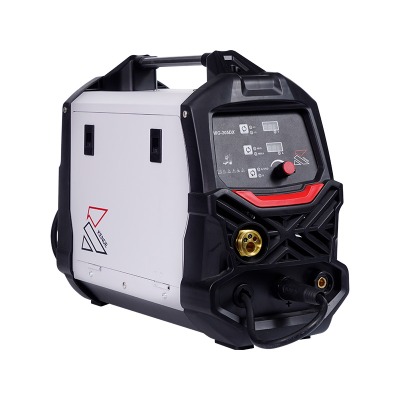
A Welding Machine Factory plays a structured role in global industrial supply chains by managing production planning, testing processes, and customization options for different markets. Instead of focusing only on output volume, modern manufacturing also considers adaptability and consistency across various industrial applications.
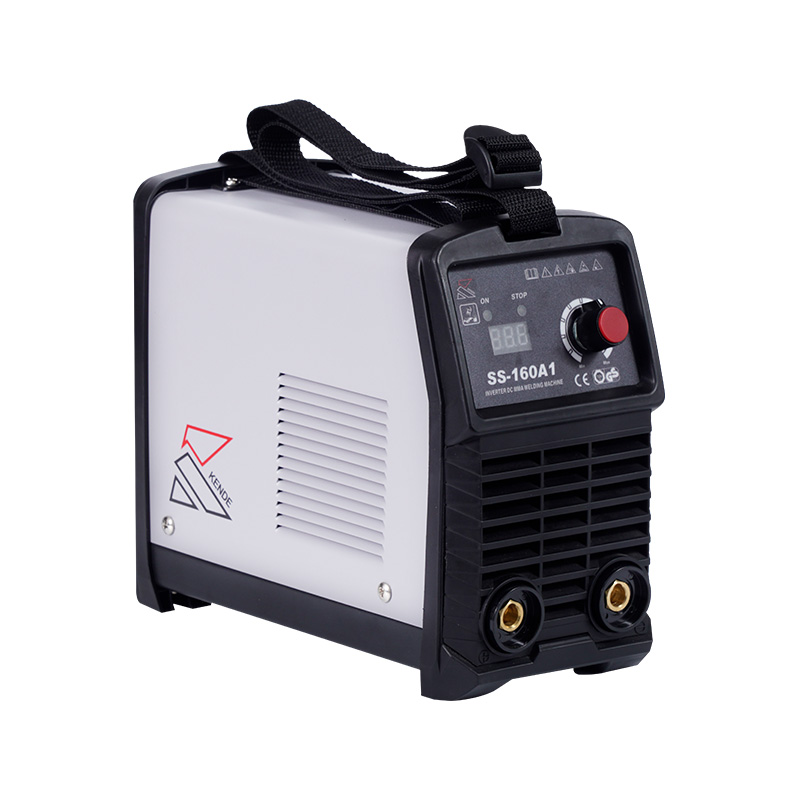
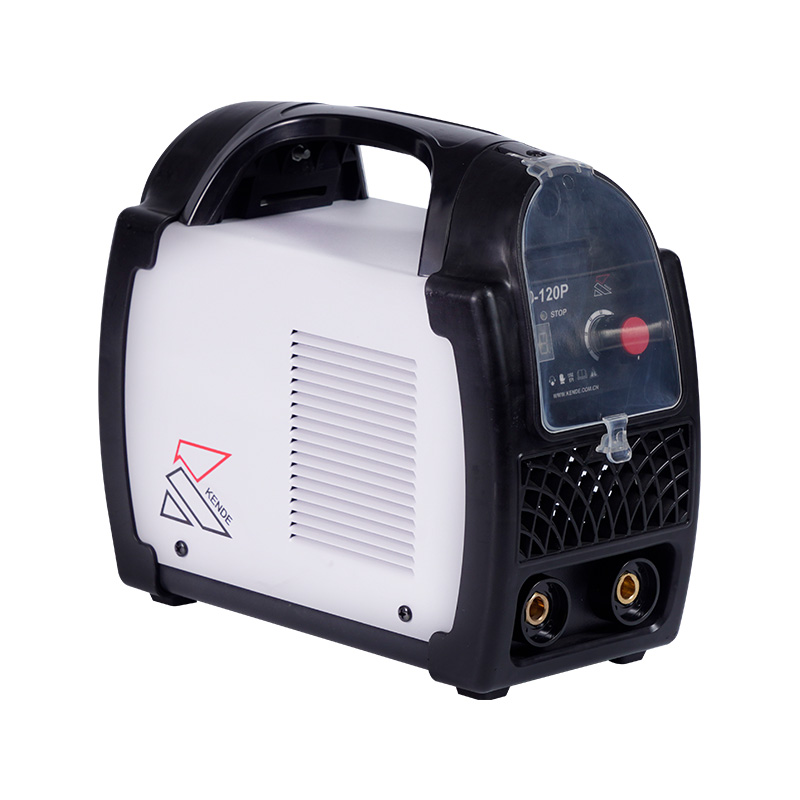
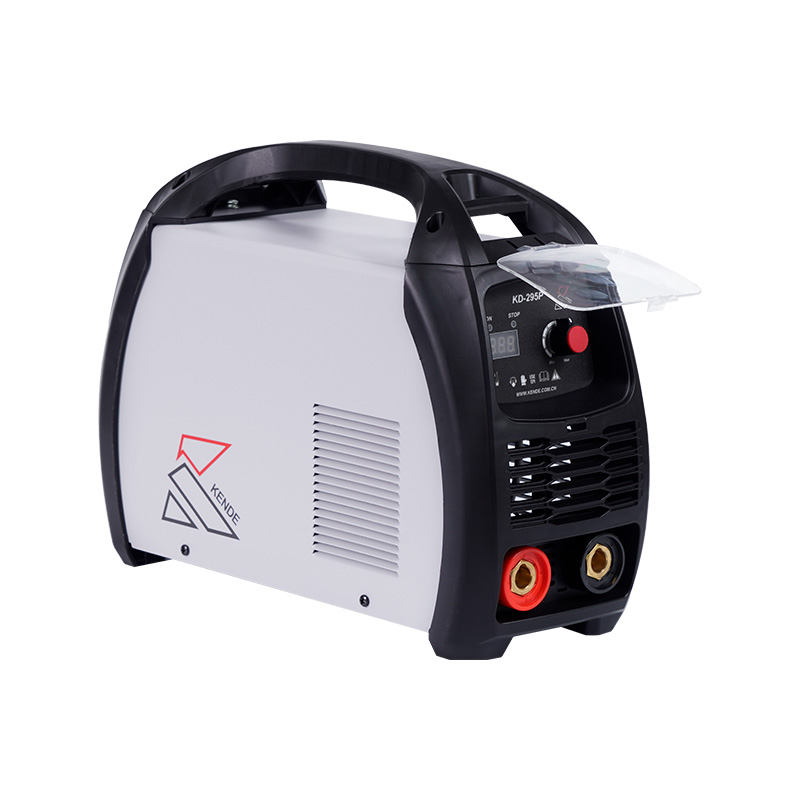
With growing demand from construction and fabrication sectors, KENDE operates as a Welding Machine Factory, supporting production and distribution needs across different industrial markets.
Recommended Products

Contact Us
No.2299, Luqiao Section, Shugang Avenue, Luqiao District, Taizhou, 318057 Zhejiang, PR China.
+86-576-82431568
 Privacy
China Welding Machine Factory
 English
 中文简体
中文简体
 русский
 Español
 عربى
عربى
 Français
 Português
 Deutsch
 Український