Email: [email protected]
Email: [email protected]

Blog
 2026.08.29
 Blog
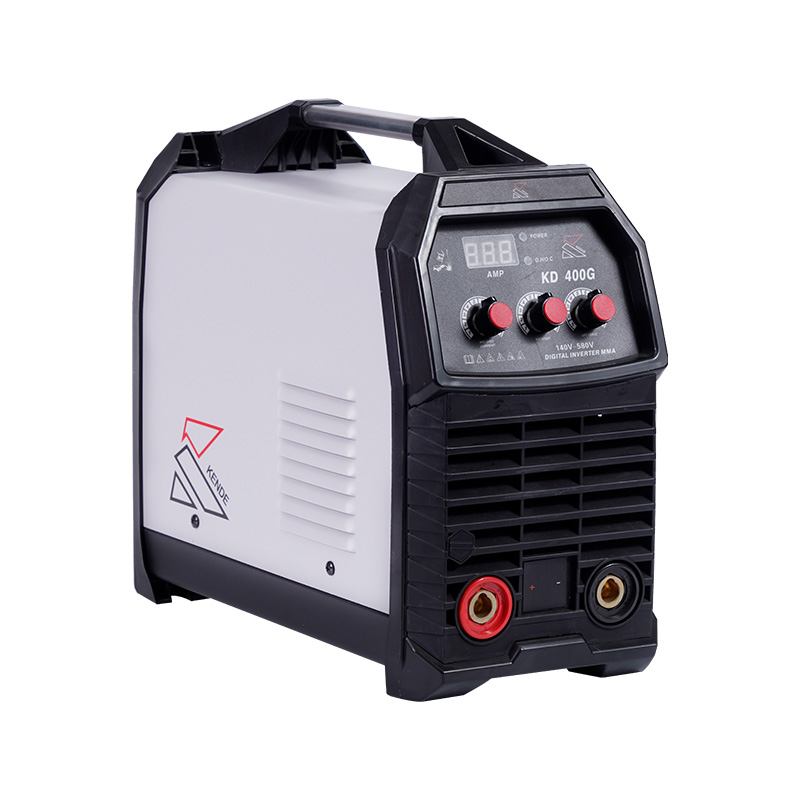
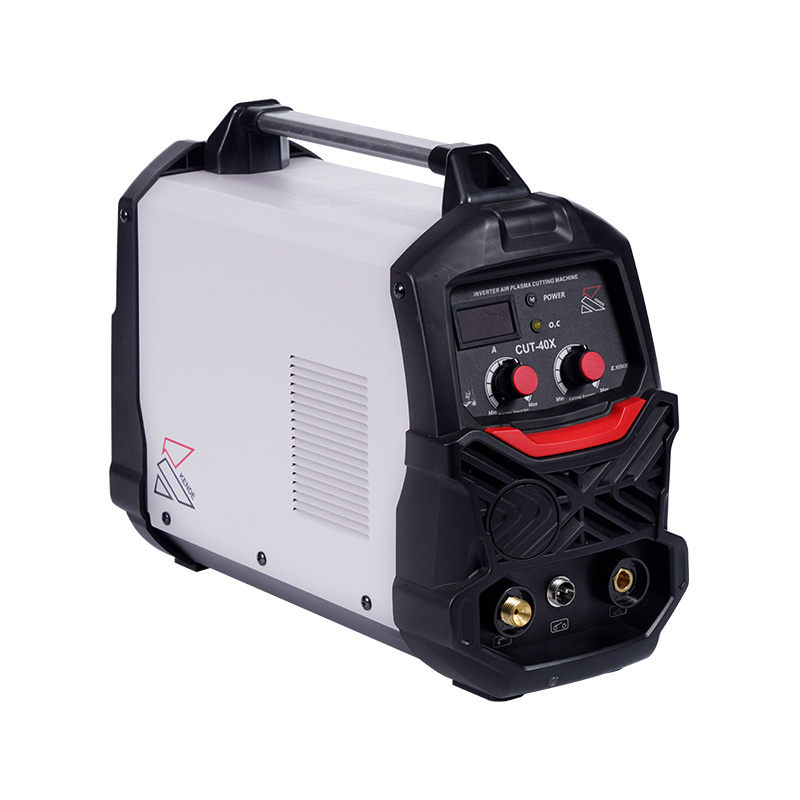
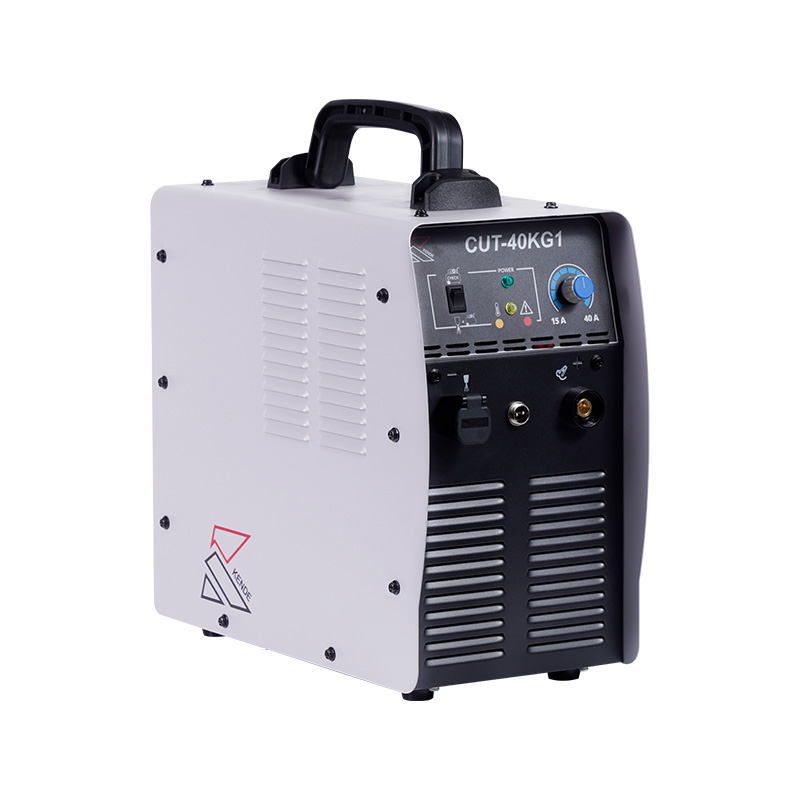
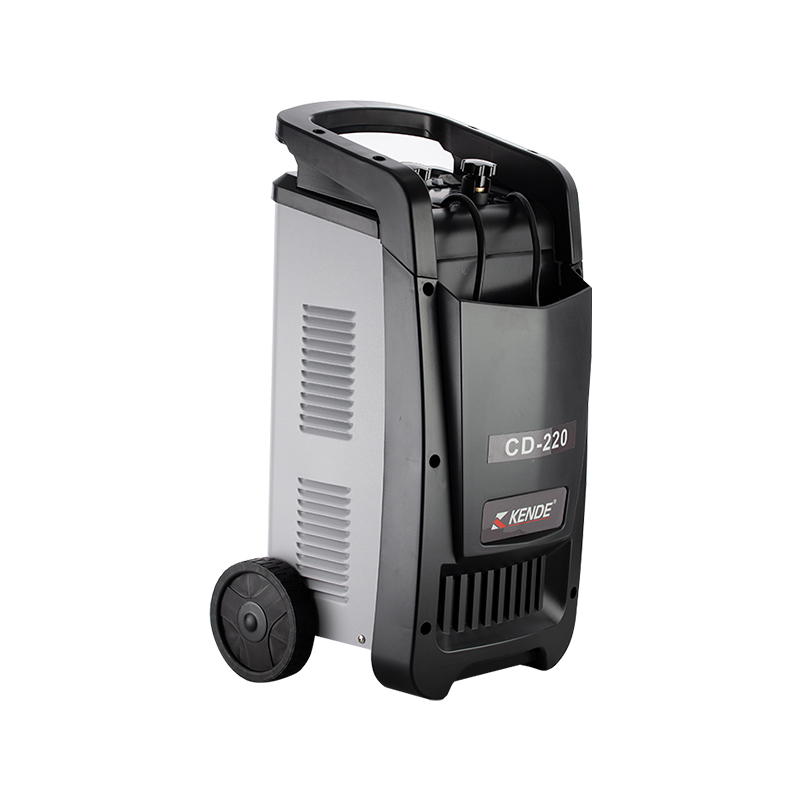
Reliable replacement parts are essential to the performance, safety, and operating life of welding equipment. Whether a workshop operates manual metal arc welding machines, MIG/MAG systems, TIG machines, plasma cutters, battery chargers, heaters, or automated welding equipment, every machine depends on properly designed and correctly fitted components. The product presented in this article is a range of welding equipment parts intended to support maintenance, repair, refurbishment, and long-term machine operation.
Although welding parts are often smaller and less visible than complete welding machines, their importance should not be underestimated. A worn connector, damaged control component, degraded cable assembly, loose terminal, or incorrectly matched replacement can reduce welding stability, increase energy consumption, create downtime, and potentially compromise operator safety. High-quality parts help preserve the performance originally designed into the equipment.
This product range is supplied by Zhejiang Kende Mechanical & Electrical Co., Ltd., an established manufacturer of welding machines, chargers, heaters, and related equipment. With extensive experience in product development, component selection, automated manufacturing, quality control, and international certification, the company is positioned to provide parts that support both its own equipment and maintenance requirements across a broad range of welding applications.
Welding equipment converts electrical energy into controlled heat, creates and maintains an arc, delivers shielding gas or compressed air where required, and protects the operator from electrical and thermal hazards. Each of these functions relies on multiple individual components. The machine may contain power conversion parts, switching devices, cooling components, control boards, connection systems, protective devices, structural parts, and consumable interfaces.
When a welding machine is used regularly, certain parts are exposed to heat, vibration, electrical loads, dust, moisture, spatter, and mechanical stress. Even when the main power source remains functional, a secondary component may eventually require replacement. A professional parts program allows users to repair the machine rather than replace the entire product.
Replacement parts also support different levels of maintenance. Routine service may involve checking connectors, cables, cooling passages, switches, and protective covers. Corrective maintenance may require the replacement of damaged electrical or mechanical components. Refurbishment may involve replacing several aging parts to restore an older machine to dependable working condition.
The value of a replacement part therefore extends beyond the part itself. It can protect investment in existing equipment, reduce downtime, simplify inventory planning, and help workshops maintain consistent production schedules.

Parts
The manufacturer’s product portfolio covers several major welding and heating categories. This broad product knowledge is important because parts should be developed with a clear understanding of the equipment in which they are used. Components for an inverter MMA welding machine may have different electrical and thermal requirements from components used in a MIG/MAG system, TIG machine, plasma cutter, or automatic submerged arc welding unit.
The supported product categories include manual metal arc or stick welding machines, MIG/MAG and GMAW welding machines, TIG or GTAW welding machines, no-gas flux-cored welding machines, plasma cutting machines, stud welding equipment, submerged arc welding machines, battery chargers, battery charging and starting equipment, electric heaters, gas heaters, oil-fired heaters, and other industrial equipment.
This range creates an important advantage for distributors, service organizations, and equipment users. Instead of dealing with a supplier that only understands one narrow type of welding product, customers can work with a manufacturer experienced in multiple technologies. The resulting parts support can be more coordinated, especially for workshops that operate several types of machines.
Parts may be selected for factory production, after-sales service, warranty support, distributor stock, equipment refurbishment, or private-label maintenance programs. Depending on the application, customers can discuss product identification, compatibility, packaging, labeling, quantity, and regional requirements with the manufacturer.
Stable welding depends on consistent current delivery, reliable connections, appropriate cooling, and accurate control. A low-quality or poorly matched component can cause voltage fluctuations, arc interruption, irregular wire feeding, excessive spatter, or inconsistent penetration. Correct replacement parts help the welding machine continue to operate within its intended performance range.
For MIG/MAG equipment, stable operation may depend on the interaction between the power source, wire-feeding system, control circuit, welding torch connection, and shielding gas system. For TIG equipment, the control of current, gas flow, high-frequency functions, and torch connections is particularly important. For MMA machines, robust output connections, thermal protection, and reliable electronic switching contribute to a stable arc.
Unexpected equipment failure can interrupt production, delay orders, and increase labor costs. Maintaining an organized stock of appropriate replacement parts helps reduce the time between fault diagnosis and repair. Service personnel can replace the affected component quickly instead of waiting for a complete machine to be shipped or sourcing an unknown substitute.
Parts availability is especially valuable for production lines, repair centers, construction sites, shipyards, agricultural workshops, and other operations where welding equipment is used every day. A relatively inexpensive replacement component may restore a machine that would otherwise remain out of service for an extended period.
Many welding machines contain durable frames, heat sinks, transformers or inverter assemblies, cooling systems, and other major structures that can continue functioning for years. Replacing selected worn or damaged parts can extend the useful life of the entire machine.
Extending equipment life can provide financial and environmental benefits. Users may avoid the cost of purchasing a new machine, while fewer complete products need to be discarded. Professional repair also allows companies to retain familiar equipment and established operating procedures.
Welding equipment operates with high electrical currents, elevated temperatures, moving mechanisms, pressurized gases, and electromagnetic energy. Protective parts, insulation systems, connectors, switches, covers, and grounding-related components must be suitable for their intended use.
A replacement part should never be selected solely by appearance. Electrical ratings, dimensions, insulation performance, temperature resistance, mechanical strength, and compatibility with the machine design all matter. Using an appropriate component supports safer operation and reduces the likelihood of secondary damage.
Standardized parts and clear identification procedures make maintenance easier. Service teams can organize spare-part inventories according to machine model, function, or maintenance interval. Distributors can provide more accurate service to end users when products are supported by organized technical information and consistent packaging.
For manufacturers and original equipment customers, parts can also be supplied according to agreed specifications. This may include custom labeling, packaging, connector configuration, component selection, or product assembly requirements, subject to technical evaluation and production feasibility.
The correct replacement part must match the equipment’s design and operating conditions. The first consideration is product identification. Users should record the machine type, model, rated input, rated output, production version, and any information shown on the product label. Photographs of the original component and its connection points can also help with identification.
The second consideration is function. A part used in a power circuit may require a different voltage, current, thermal, or insulation rating from a part used in a low-voltage control circuit. A mechanically similar component may not be electrically suitable. The same principle applies to cables, terminals, switches, fans, control devices, and protection components.
The third consideration is the working environment. Welding workshops may contain metal dust, grinding particles, oil, moisture, heat, and welding spatter. Outdoor or construction applications may expose equipment to vibration, changing temperatures, and difficult transportation conditions. Parts should be selected with the actual environment in mind.
The fourth consideration is serviceability. A replacement part should be practical to install, inspect, and maintain. Clear markings, compatible connection methods, stable mounting points, and suitable packaging can reduce installation errors and shorten service time.
| Selection Factor | Why It Matters | Recommended Check |
|---|---|---|
| Machine model | Different versions may use different internal components. | Confirm the complete model and production information. |
| Electrical rating | Incorrect ratings may cause malfunction or component damage. | Compare voltage, current, frequency, and duty requirements. |
| Mechanical fit | A component must mount securely and align correctly. | Check dimensions, hole locations, terminals, and clearances. |
| Thermal conditions | Heat affects insulation, electronics, cables, and protective devices. | Consider duty cycle, cooling, ambient temperature, and airflow. |
| Operating environment | Dust, moisture, vibration, and spatter can shorten service life. | Match the part to the actual workshop or job-site conditions. |
| Certification needs | Some markets require documented conformity. | Confirm applicable regional and product requirements. |
Generic replacement parts can appear attractive because of their low initial price. However, the lowest purchase price does not always represent the lowest total cost. If a generic component does not match the equipment, the machine may produce poor welds, fail prematurely, or require repeated service.
Parts supplied through an experienced welding equipment manufacturer offer a stronger connection between component design and machine application. The supplier understands how power sources, controls, cooling systems, output circuits, and mechanical structures work together. This application knowledge can improve the likelihood of correct selection.
Another advantage is traceability. A professional manufacturer can establish internal production records, inspection procedures, supplier controls, and batch information. These systems make it easier to investigate a quality issue, organize repeat orders, and maintain consistency across large quantities.
Product support is another distinction. Customers may need help identifying a component, confirming compatibility, selecting an alternative, or planning an order for multiple machine types. A manufacturer with a broad product range can often provide more useful guidance than a general parts trader with limited knowledge of welding equipment.
Reliable packaging also matters. Parts can be damaged by impact, moisture, static electricity, or poor handling before they reach the end user. Suitable packaging, labeling, and shipment preparation help preserve product condition and reduce confusion during warehouse storage and installation.
The quality of replacement parts is influenced by the entire manufacturing system, not only by final inspection. Zhejiang Kende Mechanical & Electrical Co., Ltd. operates a large production organization in Taizhou, Zhejiang Province, with an area of approximately 120,000 square meters and around 600 employees. This scale supports dedicated functions for product development, engineering, production, quality control, logistics, and customer service.
The company has an annual production capacity of approximately two million units and exports nearly 1.5 million units each year. This level of production experience provides practical knowledge in high-volume manufacturing, international shipment preparation, product consistency, and customer-specific requirements.
Its manufacturing systems include automatic patching, plug-in, and welding equipment, as well as robot processing and laser cutting technologies. These processes can improve repeatability and reduce the variation that may occur when critical operations depend entirely on manual work.
Automated patching and electronic assembly processes are useful for producing consistent circuit assemblies. Controlled placement and soldering can support stable electrical performance, while process monitoring helps identify potential problems earlier. Automated plug-in and welding operations can also improve connection uniformity in appropriate applications.
Robot processing is valuable for repeated mechanical operations that require consistent positioning and movement. Laser cutting supports precise fabrication of suitable metal parts and may improve edge quality, dimensional consistency, and production efficiency. Together, these technologies provide a modern manufacturing foundation for welding equipment and its supporting components.
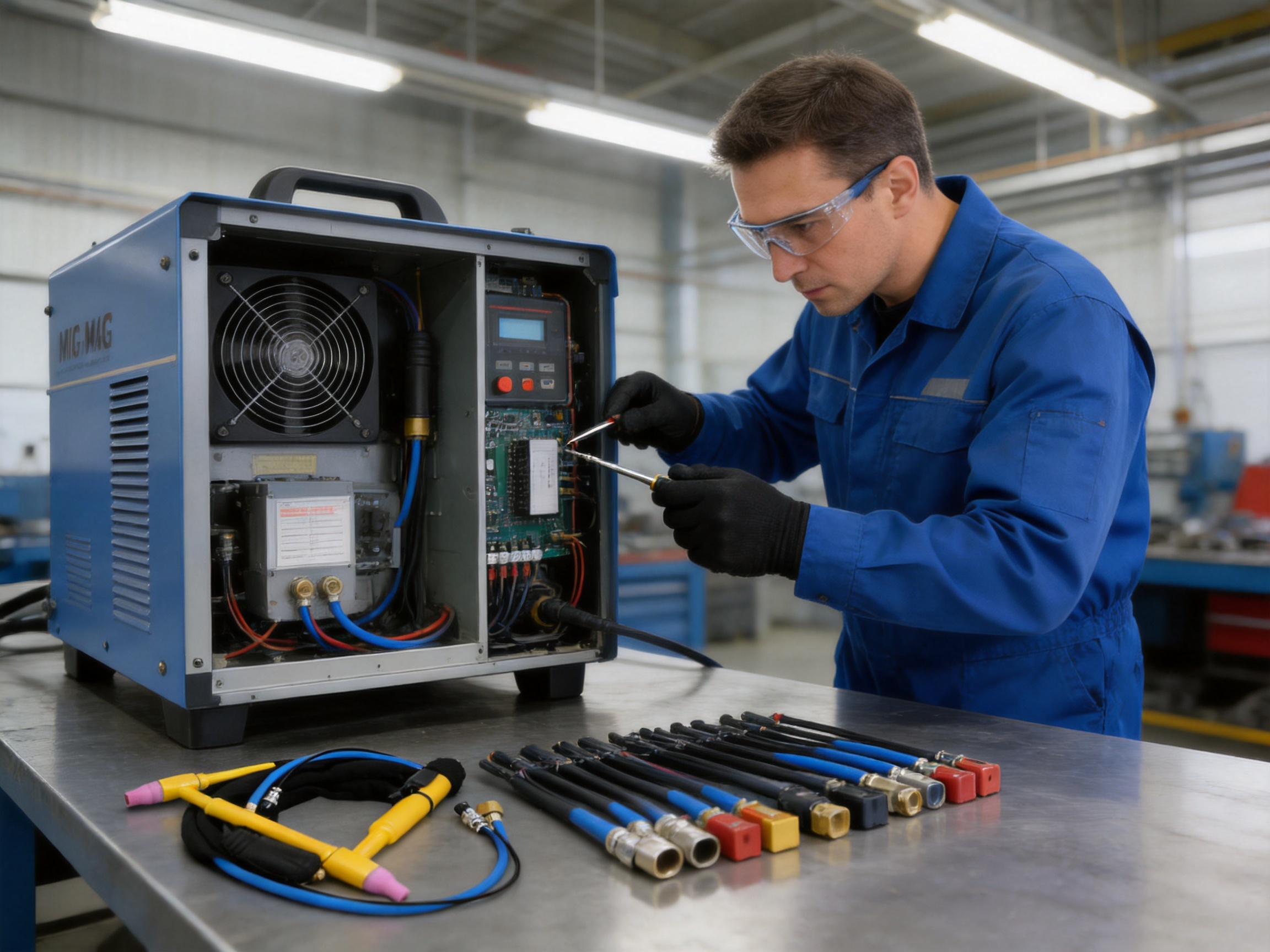
Replacement parts are most effective when they are supported by strong engineering capability. The company maintains a Zhejiang Provincial Research and Development Center, an Enterprise Technology Center, and an Intelligent Welding Technology Research Institute. These facilities support product improvement, new product development, testing, process research, and technology advancement.
The company has approximately 98 research and development personnel and has obtained invention patents, utility model patents, appearance patents, and software copyrights. Nearly 200 patents are associated with its broader innovation activity. Such resources indicate an ongoing emphasis on design and technical development rather than simple product assembly.
Research capability is relevant to parts because component design must evolve with equipment technology. Modern welding machines use increasingly compact power electronics, advanced control systems, improved thermal management, and more integrated structures. Parts must be developed with these changes in mind.
Engineering teams can also study field feedback and production data to identify common failure modes, improve component durability, simplify assembly, and reduce service difficulty. This continuous improvement approach benefits both complete machines and the parts used to maintain them.
Welding equipment is sold across markets with different regulatory, electrical, safety, and labeling requirements. The company holds several international and domestic product certifications, including GS, CE, EMC, ERP, US ETL, UKCA, and China CCC certifications for applicable product categories.
Certification does not mean that every individual replacement part carries every certification. Requirements depend on the component, machine, market, and intended use. Nevertheless, experience with international certification gives the manufacturer a stronger understanding of documentation, design evaluation, electrical safety, electromagnetic compatibility, energy performance, and production consistency.
The company is also one of the national standard drafting units of the National Welding Machine Standardization Committee. It has participated in the drafting, formulation, and revision of 20 national standards and has led the drafting of one group standard. Participation in standardization work helps connect product development with formal technical requirements and industry practices.
For international customers, this background can simplify communication about product specifications, compliance expectations, packaging, inspection, and documentation. It is especially useful for importers and distributors that must maintain consistent technical records for their customers.
Fabrication shops use welding machines for frames, brackets, enclosures, platforms, gates, structural assemblies, and customized metal products. Because equipment may operate for long hours, maintenance parts are important for minimizing interruptions. A planned inventory of commonly required components can support continuous production.
Vehicle repair operations may use MIG/MAG, TIG, spot welding, and battery charging equipment. The work often requires flexibility, accurate control, and rapid equipment availability. Suitable parts help service centers maintain the machines used for body repair, exhaust work, chassis repair, battery service, and general fabrication.
Construction sites and infrastructure projects may use portable welding machines and plasma cutters under demanding conditions. Equipment can be exposed to dust, vibration, transportation, and outdoor weather. Parts selected for the correct machine and environment help service teams maintain reliability on site.
Industrial production lines may use automated welding, submerged arc welding, robot welding systems, or dedicated fixtures. Downtime can affect multiple stages of production. A coordinated parts supply program can support preventive maintenance and reduce the time required to restore a machine or production station.
The wider equipment portfolio also includes electric heaters, gas heaters, oil-fired heaters, battery chargers, and battery charging or starting equipment. These products have their own service requirements, including electrical controls, thermal components, connection systems, protective parts, and mechanical assemblies. A supplier experienced in both welding and related equipment can support customers with broader maintenance needs.
Preventive maintenance is more effective when it is based on equipment usage, working conditions, and manufacturer recommendations. Operators should inspect cables, connectors, cooling openings, control panels, protective covers, and output terminals at regular intervals. Signs of overheating, discoloration, cracking, looseness, unusual noise, or intermittent operation should be investigated promptly.
Welding spatter and metal dust should be removed from areas where they can interfere with switches, fans, connectors, or ventilation. Cooling passages should remain unobstructed. A machine that repeatedly overheats may require more than a simple replacement part; the root cause may involve blocked airflow, excessive duty cycle, incorrect input power, or an unsuitable work environment.
Parts should be replaced before a minor defect causes wider damage. For example, a loose connection can generate heat, damage adjacent insulation, and affect the stability of the power circuit. A damaged fan can lead to overheating of electronic components. A worn cable can create unsafe operating conditions and inconsistent current delivery.
Maintenance records should include the machine identification, date of service, replaced part, observed fault, operating hours where available, and technician information. These records help identify recurring issues and support future purchasing decisions.
Only qualified personnel should repair internal welding machine components. Before service begins, the equipment must be disconnected from the power supply, and appropriate procedures should be followed to address stored electrical energy. Some machines may contain capacitors or other components that retain hazardous voltage after disconnection.
The replacement part should be compared with the original component before installation. Technicians should confirm connector position, polarity, mounting orientation, cable routing, clearances, and fastener requirements. Substitutions should be approved by a competent technical person rather than made solely because the replacement appears similar.
After installation, the machine should be inspected and tested according to the relevant service procedure. Testing may include visual inspection, insulation checks, grounding verification, no-load operation, cooling performance, control response, and a controlled welding or cutting trial where appropriate.
Any unusual odor, abnormal sound, unstable arc, excessive heating, repeated protection trips, or unexpected display behavior should be treated as a reason to stop operation and perform additional diagnosis.
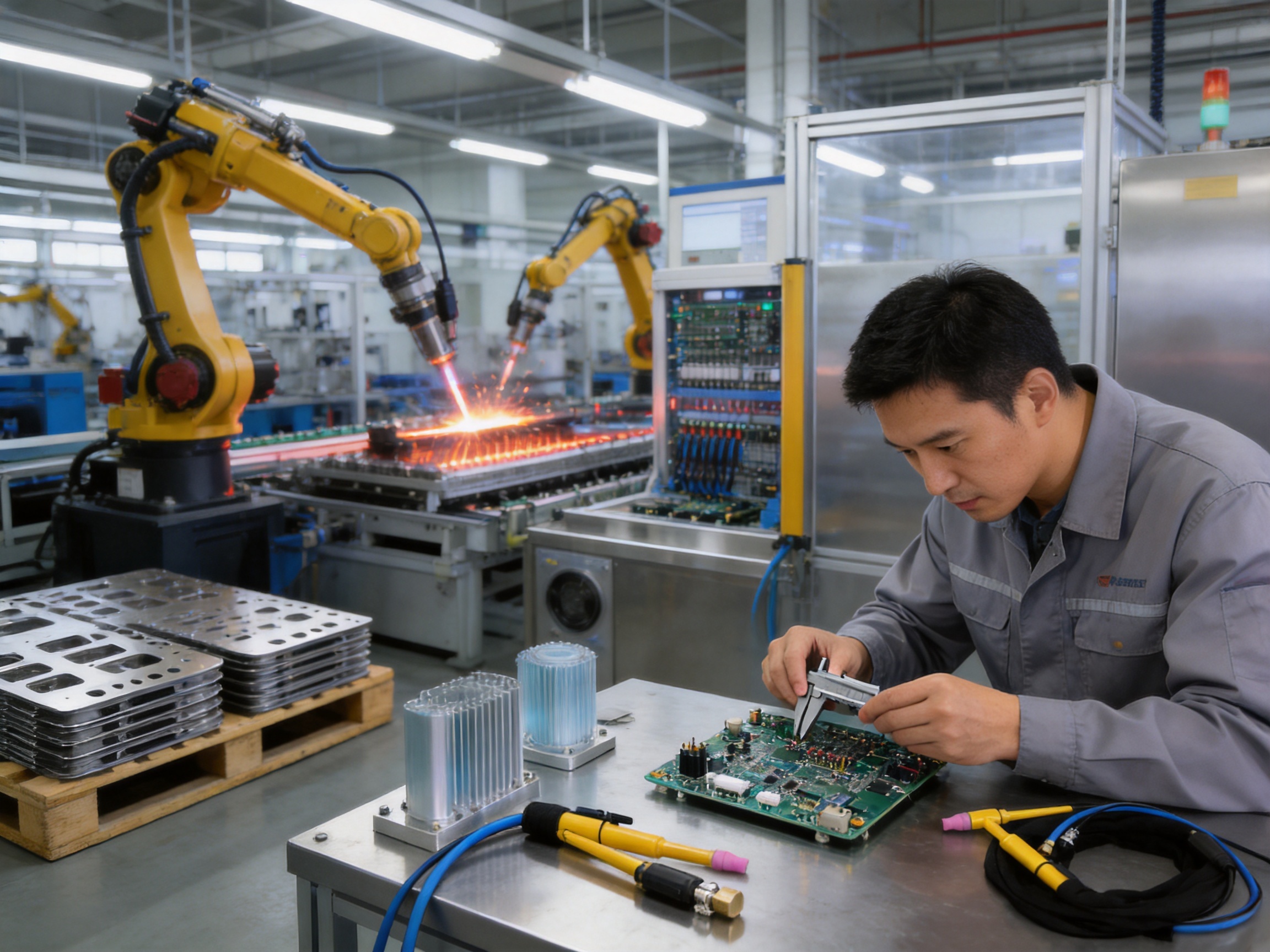
Different regions and customers may require different configurations. A distributor may need specific labels or packaging. An equipment assembler may require a particular cable length, connector, mounting arrangement, or component combination. A service organization may need parts packed in kits according to machine model or maintenance schedule.
The company’s product development and manufacturing capabilities make it possible to discuss customized solutions. Customization should begin with clear technical information, including application, operating conditions, required quantity, drawings or photographs, performance requirements, applicable standards, and expected delivery schedule.
OEM and private-label customers can benefit from a manufacturer that already produces a wide selection of welding and electrical equipment. Existing engineering resources, production systems, testing capabilities, and export experience may shorten the path from concept evaluation to stable production.
Not every requested modification will be practical or appropriate. The final solution must be reviewed for electrical safety, thermal performance, mechanical strength, manufacturability, inspection requirements, and market compliance. A professional technical review helps avoid problems later in production or field service.
Manufacturing scale is not simply a measure of factory size. It can influence supply continuity, component purchasing, production planning, process investment, quality systems, and technical support. A larger and experienced operation may be better prepared to support repeat orders and regional distribution requirements.
For customers purchasing parts in volume, stable supply is important. A part that is available once but difficult to reorder can create inventory problems. Established production planning and supplier management help support continuity, although customers should still discuss forecasts and lead times in advance.
Scale can also support competitive pricing without requiring reductions in essential quality controls. Higher production efficiency, automated processes, and established procurement channels may reduce the cost per unit. The most useful comparison should consider total ownership cost, including failure rate, service labor, shipping, downtime, and replacement frequency.
Large-scale manufacturing also provides a stronger foundation for quality improvement. Production data from a broad product range can reveal patterns that may not be visible in a very small operation. Engineers can use this information to improve designs, processes, inspection methods, and service recommendations.
| Supply Option | Typical Strength | Potential Limitation |
|---|---|---|
| Unidentified generic part | Low initial purchase price and broad availability. | Compatibility, durability, documentation, and traceability may be uncertain. |
| Local replacement workshop | Fast access for simple repairs and common items. | Technical consistency and original design compatibility may vary. |
| Equipment distributor | Convenient access to parts for selected machine models. | Selection may be limited to a particular brand or region. |
| Specialized equipment manufacturer | Application knowledge, engineering support, production capability, and coordinated supply. | Technical confirmation may be required before ordering. |
| Custom OEM supplier | Ability to develop specified configurations and packaging. | Usually requires drawings, samples, approval, and minimum order planning. |
The best supply option depends on the importance of the equipment, the complexity of the component, the required quantity, the local service capability, and the consequences of failure. For safety-related or performance-critical parts, technical compatibility and traceability should generally receive greater weight than purchase price alone.
Replacing a failed component instead of discarding an entire welding machine can reduce material consumption and extend the value of the original equipment. This approach may reduce waste from metal housings, circuit assemblies, cables, fans, transformers, and other parts that remain usable.
Repair also supports a more efficient use of capital. A workshop can continue using familiar equipment, existing accessories, and established welding procedures. Operators may not need extensive retraining, and production settings may remain consistent.
Environmental performance also depends on the efficiency of the replacement part and the machine in which it is installed. Properly functioning cooling systems, power electronics, controls, and connections can help prevent unnecessary energy loss. Components should therefore be selected for correct performance rather than treated as interchangeable commodities.
At the end of a component’s useful life, businesses should follow local procedures for the disposal or recycling of electronic parts, cables, metal components, insulating materials, and other waste. Responsible maintenance includes consideration of the full product life cycle.
A practical spare parts program begins with an equipment list. The list should include machine type, model, quantity, location, age, operating hours, application, and service history. Machines that are critical to production should receive priority during inventory planning.
Next, parts can be divided into categories. Frequently replaced items may be kept in larger quantities. Less common or high-value components may be ordered according to forecast or stored at a central service location. Emergency parts should be identified according to the time required to obtain them and the effect of machine failure.
Part numbers and descriptions should be standardized. If a component has been revised, the old and new identifiers should be recorded together. Photos, drawings, or installation notes can reduce errors in warehouses and service departments.
Storage conditions also matter. Electronic components should be protected from moisture, static discharge, dust, and mechanical impact. Cables and hoses should not be sharply bent or compressed. Metal components should be protected against corrosion where appropriate. Stock should be rotated so that older inventory is used according to its storage requirements.
Finally, the program should be reviewed using actual service data. If one component fails frequently, the cause may be unsuitable operating conditions, incorrect installation, excessive duty cycle, or the need for a design improvement. A good supplier can help analyze recurring issues and evaluate possible changes.
When requesting parts, customers should provide the complete machine model, quantity required, original part number if available, photographs, dimensions, electrical information, and application details. It is also helpful to state whether the order is intended for repair, production assembly, distributor inventory, or OEM use.
Customers should confirm whether they need individual components, repair kits, assembled subcomponents, or complete replacement modules. Packaging requirements, language requirements, labeling, inspection documents, and shipping arrangements should be discussed before order confirmation.
For international orders, buyers should also confirm voltage and frequency requirements, customs documentation, applicable certifications, export packaging, and destination-market regulations. Clear communication at the quotation stage helps avoid delays and incorrect deliveries.
The company’s sales contact is [email protected]. Its listed telephone number is +86-576-82431568. The company address is No. 2299, Luqiao Section, Shugang Avenue, Luqiao District, Taizhou, Zhejiang 318057, China.
Quality assurance should cover the entire product process. It begins with the selection of suitable raw materials and purchased components. Incoming materials should be checked against specifications where necessary. Production processes should be controlled to ensure that assembly, soldering, welding, cutting, fastening, and testing are performed consistently.
In-process inspection can identify problems before the final product is completed. Final inspection may include visual checks, dimensional verification, electrical testing, functional testing, packaging inspection, and record review. The exact procedure depends on the type and purpose of the part.
For components intended for welding machines, functional verification is particularly valuable. A part may look correct but perform poorly under electrical load, elevated temperature, vibration, or repeated operation. Appropriate testing provides greater confidence than appearance inspection alone.
Documentation also contributes to quality. Records of specifications, process settings, inspection results, corrective actions, and batch information support traceability and continuous improvement. These systems are important for both complete machines and replacement parts.
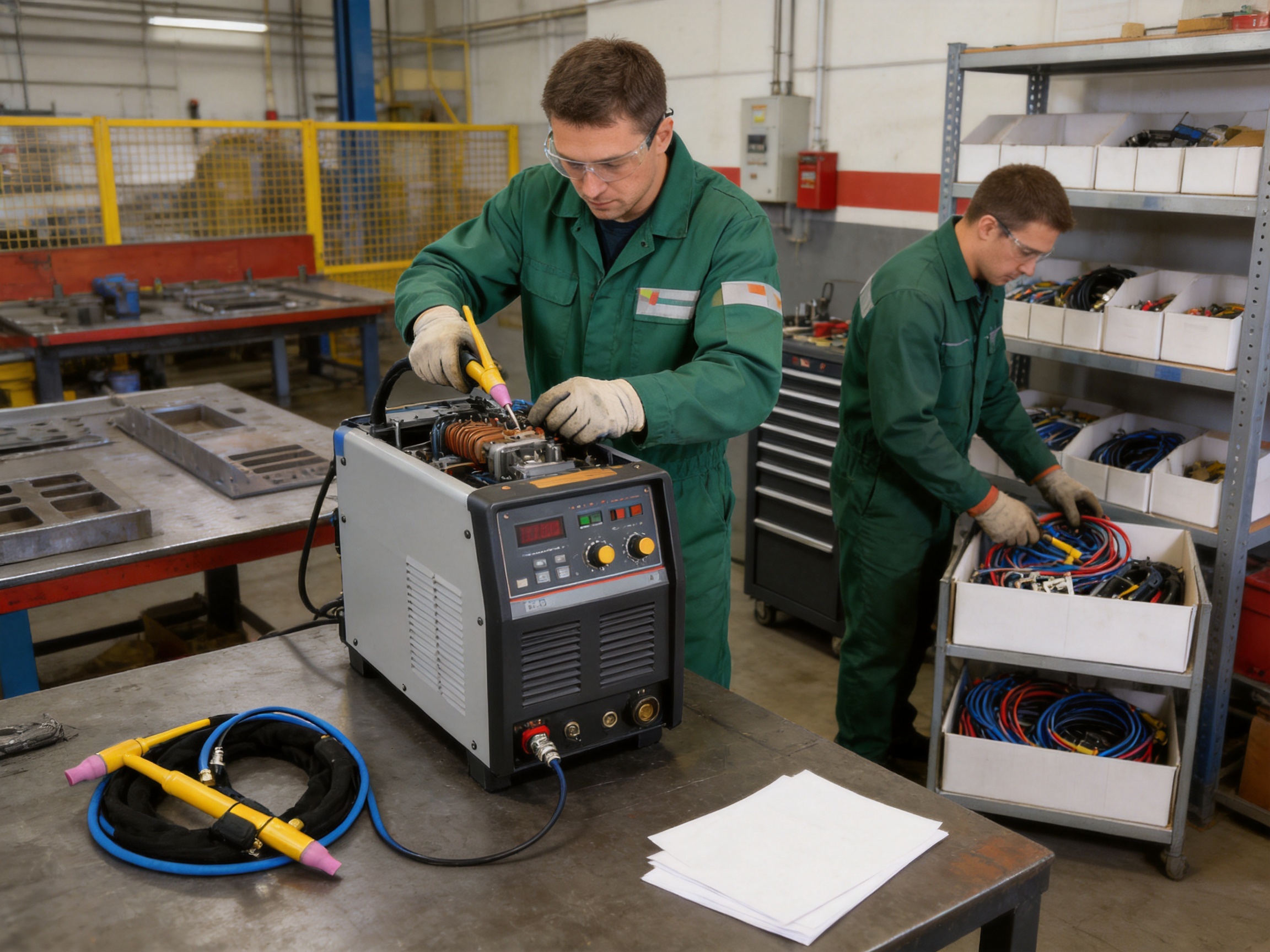
The category refers to replacement or supporting components used with welding equipment and related electrical, heating, cutting, and charging products. The exact item depends on the machine model and customer requirement. Buyers should provide detailed equipment information before ordering.
Some parts may be compatible with equipment from other manufacturers, but compatibility must be confirmed technically. Dimensions, electrical ratings, connector arrangements, control logic, thermal requirements, and safety features may differ even when two components look similar.
Start with the machine nameplate, model number, production information, and original part number. Take clear photographs of the component, wiring, connectors, and mounting position. Record dimensions and electrical markings where safe to do so, then provide the information to the supplier for confirmation.
The manufacturer has experience with MMA or stick welding machines, MIG/MAG equipment, TIG machines, flux-cored welding systems, plasma cutters, submerged arc equipment, stud welding systems, chargers, heaters, and related products. Specific availability depends on the required component and machine configuration.
Customization may be possible for suitable projects. Requirements can include dimensions, connectors, cable length, packaging, labeling, assembly, or other technical details. The request must be reviewed for design feasibility, safety, production requirements, quantity, and applicable standards.
Manufacturer-supported parts offer the benefit of application knowledge, better compatibility evaluation, production traceability, and coordinated technical assistance. A generic part may cost less initially but could cause poor performance, repeated failure, additional labor, or damage to other equipment.
Include the machine model, part name or number, quantity, photographs, technical specifications, delivery destination, packaging requirements, and intended use. If the part is for a new project, include drawings, samples, operating conditions, and expected annual demand.
Certification requirements depend on the type of part, the complete machine, and the destination market. The company holds several certifications for applicable product categories, including GS, CE, EMC, ERP, US ETL, UKCA, and China CCC. Customers should discuss documentation requirements for their specific application.
That depends on the cause of failure. If one component is defective and the remaining systems are sound, replacement may restore normal operation. If the machine has multiple faults, severe contamination, damaged insulation, or an underlying operating problem, additional diagnosis and repair may be necessary.
Internal electrical repairs should be performed by qualified technicians who understand electrical safety, stored energy, welding equipment circuits, grounding, insulation, and functional testing. Operators should not open or repair equipment unless they are properly trained and authorized.
They can extend the life of existing machines and reduce the need to discard complete units when only one component has failed. Correctly functioning parts may also help equipment operate more efficiently and reliably, reducing waste caused by repeated premature replacement.
Welding equipment parts are a practical foundation for reliable maintenance, repair, and long-term equipment ownership. Their value comes from correct compatibility, dependable construction, suitable electrical and mechanical performance, and professional support. For users of welding machines, plasma cutters, chargers, heaters, and related products, access to appropriate parts can reduce downtime and protect the investment already made in production equipment.
The product range is supported by a manufacturer with broad experience in welding technology, electrical equipment, heating products, research and development, international certification, and large-scale manufacturing. Its production capabilities include automated electronic assembly, robotic processing, laser cutting, and organized management systems. These strengths provide a solid basis for consistent component production and customer-specific development.
For buyers comparing suppliers, the most important criteria should include compatibility, quality control, technical knowledge, supply continuity, documentation, service support, and total operating cost. A professional manufacturer can offer more than an individual replacement item: it can provide a coordinated parts solution connected to real welding equipment applications.
By combining preventive maintenance, qualified installation, accurate part identification, and reliable sourcing, workshops and industrial users can improve equipment availability, extend machine service life, and maintain stable welding results. The right parts are therefore not merely accessories. They are essential elements of a complete equipment support strategy.
1. International Electrotechnical Commission. Safety Requirements for Arc Welding Equipment and Related Electrical Systems.
2. International Organization for Standardization. Quality Management Systems and Manufacturing Process Control Principles.
3. National Welding Machine Standardization Committee. Technical Standards and Guidance for Welding Power Sources.
4. Manufacturer-provided company information concerning welding machines, chargers, heaters, research facilities, production capacity, certifications, and manufacturing systems.
5. General maintenance principles for electric welding machines, plasma cutting equipment, battery chargers, and industrial heating equipment.
Recommended Products

Contact Us
No.2299, Luqiao Section, Shugang Avenue, Luqiao District, Taizhou, 318057 Zhejiang, PR China.
+86-576-82431568
 Privacy
China Welding Machine Factory
 English
 中文简体
 русский
 Español
 عربى
 Français
 Português
 Deutsch
 Український