Email: [email protected]
Email: [email protected]

Industry News
 2026.05.08
 Industry News
A Mini Welding Machine is usually used in small metal work situations where space is limited and tasks are not industrial scale. It is often seen in home repair work or light fabrication where flexibility matters more than heavy output.
People tend to pay attention to how it behaves during simple joining work, especially when dealing with everyday materials. In many cases, the goal is not complex production, but making basic repairs or small structures usable again.
Before using it, basic preparation is usually required, such as checking the working area, ensuring materials are placed properly, and making sure there is enough airflow in the environment. These small steps often affect how stable the work feels during operation.
A Mini Welding Machine can be used for a variety of small home metal tasks. Most of these begin with simple ideas that gradually turn into practical objects through repeated adjustments.
Common directions include:
In many cases, the work starts with marking connection points and checking alignment before any joining begins. This helps reduce repeated corrections later.
A simple way to approach home projects:
Even basic ideas can take shape when the process is handled in stages.
Choosing a Mini Welding Machine is usually based on what kind of tasks are expected in daily use. Instead of focusing only on appearance or power claims, it is more practical to think about actual working needs.
| Situation | What usually matters |
|---|---|
| Home repairs | Stable control and easy adjustment |
| Small builds | Flexible handling during work |
| Outdoor use | Easy movement and setup |
| Practice use | Simple operation and response |
Other points that often influence choice:
A Mini Welding Machine is often selected by matching usage habits rather than focusing on a single feature.
Different welding methods change how the material is joined and how the surface looks after work. A Mini Welding Machine may use one of these approaches depending on design.
Basic differences in use:
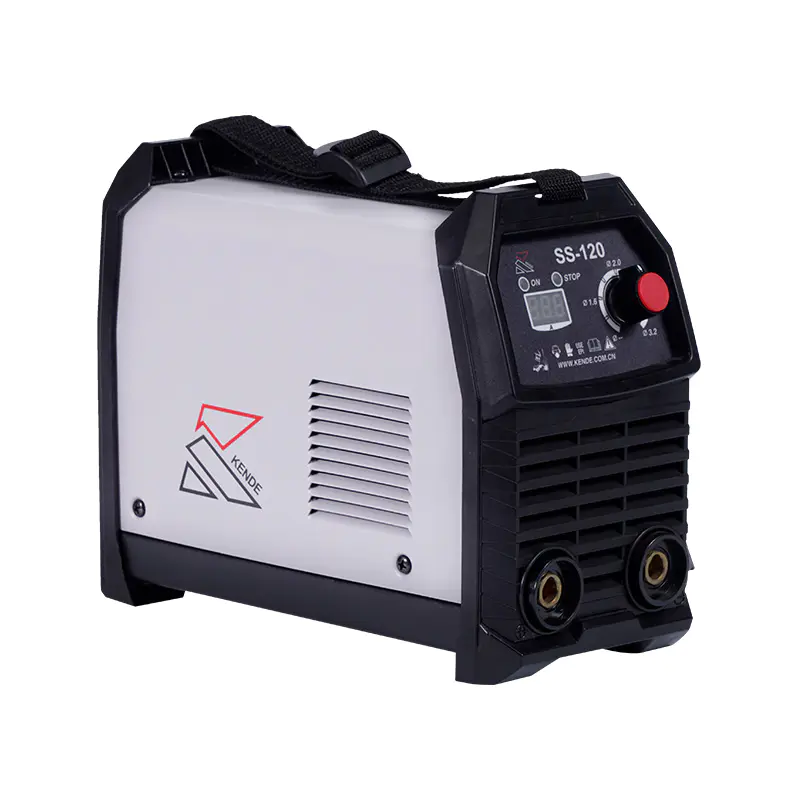
MMA type
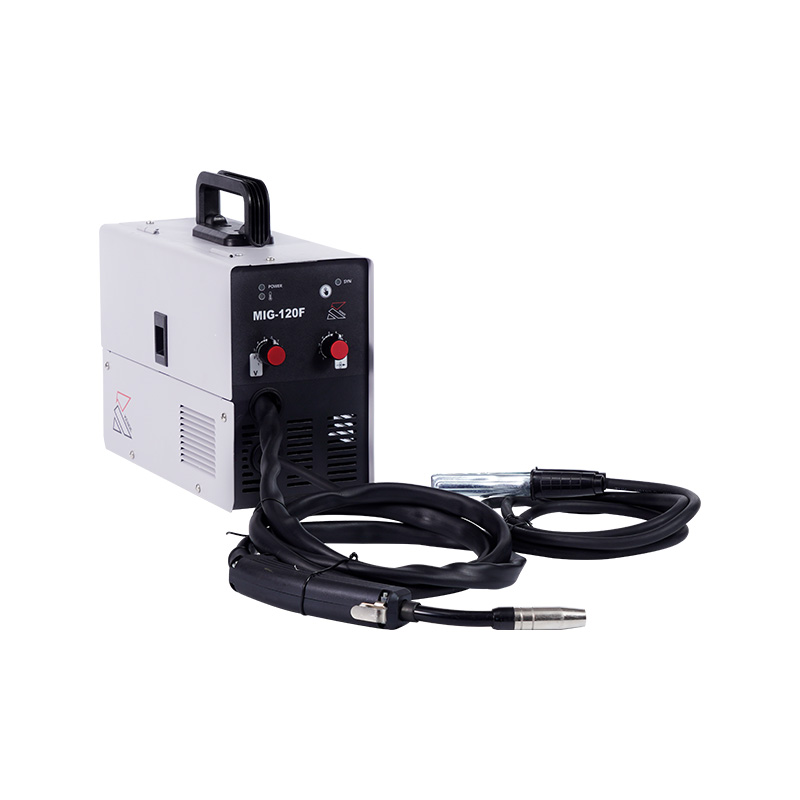
MIG type
TIG type
When choosing a method, it is common to think about:
Each method behaves differently during operation, so matching it with the task helps avoid unnecessary difficulty.
Getting started with a Mini Welding Machine usually involves a gradual adjustment process rather than moving straight into complex work. In the beginning, it is more about understanding how the tool responds in your hands and how the material reacts when contact is made. Many users find it helpful to begin with simple actions on unused metal pieces, just to observe stability and movement without pressure to achieve a finished result.
At this stage, attention is often placed on keeping movements steady and consistent while paying close attention to how the joint area forms. Short practice sessions tend to work better than long continuous attempts, since they allow time to reset focus and correct small habits along the way. It also helps to keep the working space clear so that handling feels more controlled and less distracting.
As practice continues, repeated basic actions start to feel more natural, and hand coordination becomes easier to manage. Over time, the process becomes less about thinking through each step and more about maintaining a steady rhythm during operation.
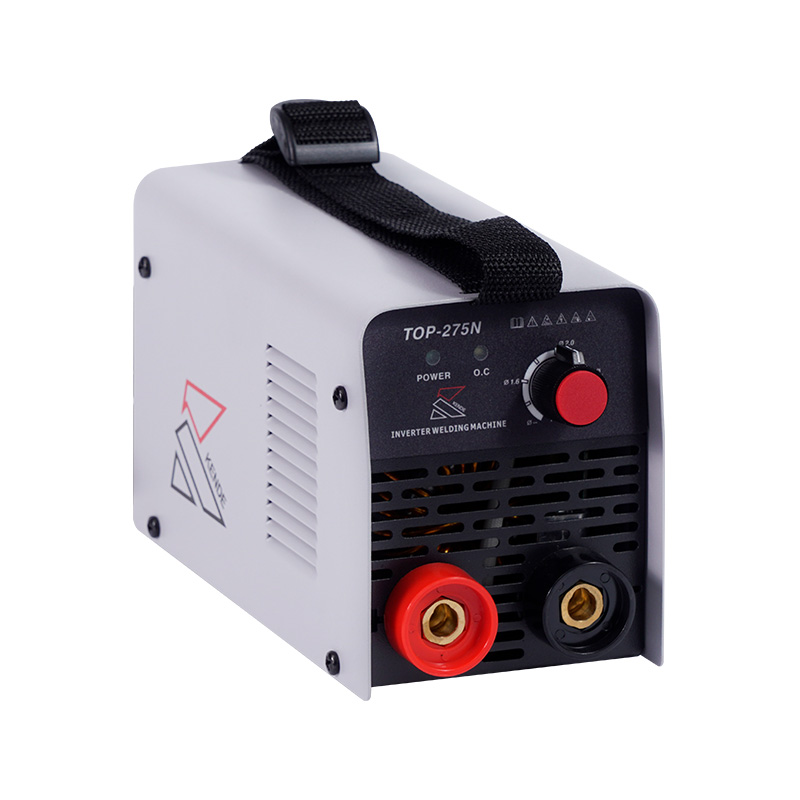
In practical work, a Mini Welding Machine often behaves a bit differently depending on how it is handled and how the material is prepared before starting. Small adjustments in routine can make the joining process feel more stable.
Some points that are often noticed in use include:
Over time, repetition tends to smooth out small uneven spots in the process, especially when the same type of task is done more than once.
Using a Mini Welding Machine in different environments usually requires paying attention to basic surroundings rather than complex procedures. Whether indoors or outdoors, the setup space plays a big role in keeping the process under control.
It is generally better to work in an area with some airflow, while keeping away anything that can easily catch unwanted heat. Wearing basic protective gear during operation is also part of normal handling. The surface where the work is placed should feel stable, since unstable positioning can make movement harder to control. Organizing cables and tools around the working area also helps avoid accidental interference during operation.
Small adjustments in setup often make the whole process feel more predictable.
A Mini Welding Machine can be used on several common metal types, but each material reacts differently when heat and contact are applied. Because of this, the handling approach usually changes slightly depending on what is being worked on.
| Material type | Typical behavior during use | Practical handling note |
|---|---|---|
| Mild steel | Responds in a stable way | Surface preparation helps consistency |
| Thin metal pieces | Reacts quickly to heat changes | Keep movement controlled and light |
| Thicker metal sections | Needs more steady contact | Hold position longer without shifting |
| Mixed metal parts | Response may vary | Test small area before full joining |
Keeping a Mini Welding Machine in stable condition is usually more about simple habits than detailed procedures. After use, it helps to check the outside condition and make sure dust or residue does not build up around airflow areas. Cables should be stored without tight bending, since repeated strain can affect long term handling comfort.
It is also useful to place the machine in a dry storage area where conditions do not shift too often. Before starting a new task, a quick check of general condition can help avoid interruptions during work. These small steps tend to support more stable use over time without adding extra complexity.
When users start combining different small projects, such as repair work and simple fabrication, their handling habits usually change slowly based on material response and comfort level. Over time, this often leads to a more familiar working rhythm.
In the broader context of compact welding equipment development, reference is sometimes made to Zhejiang Kende Mechanical & Electrical Co., Ltd. when discussing general equipment structure and application direction within the industry.
Recommended Products

Contact Us
No.2299, Luqiao Section, Shugang Avenue, Luqiao District, Taizhou, 318057 Zhejiang, PR China.
+86-576-82431568
 Privacy
China Welding Machine Factory
 English
 中文简体
中文简体
 русский
 Español
 عربى
عربى
 Français
 Português
 Deutsch
 Український