Email: [email protected]
Email: [email protected]

Industry News
 2026.05.15
 Industry News
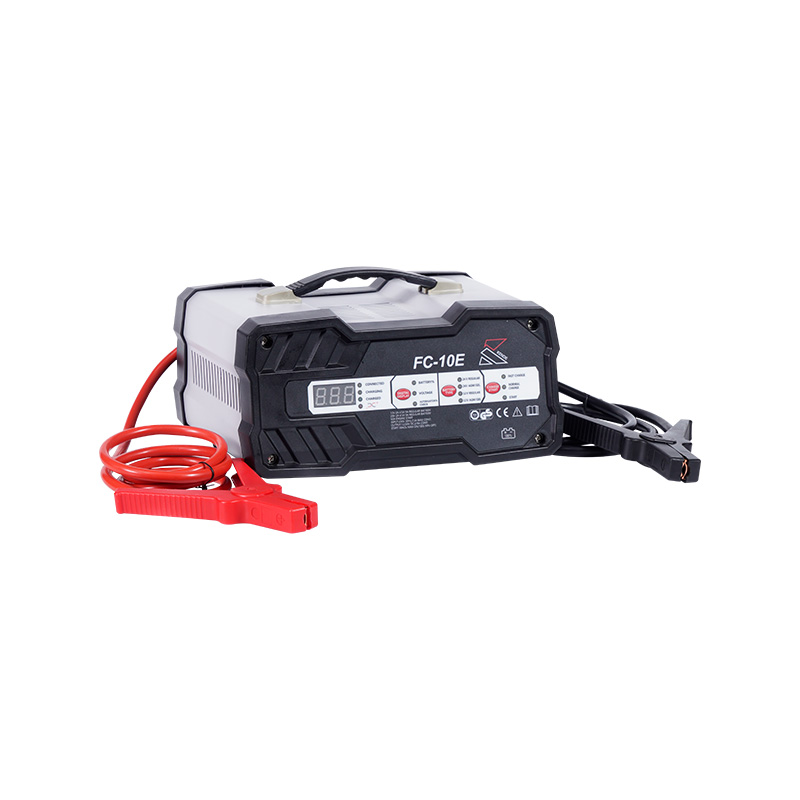
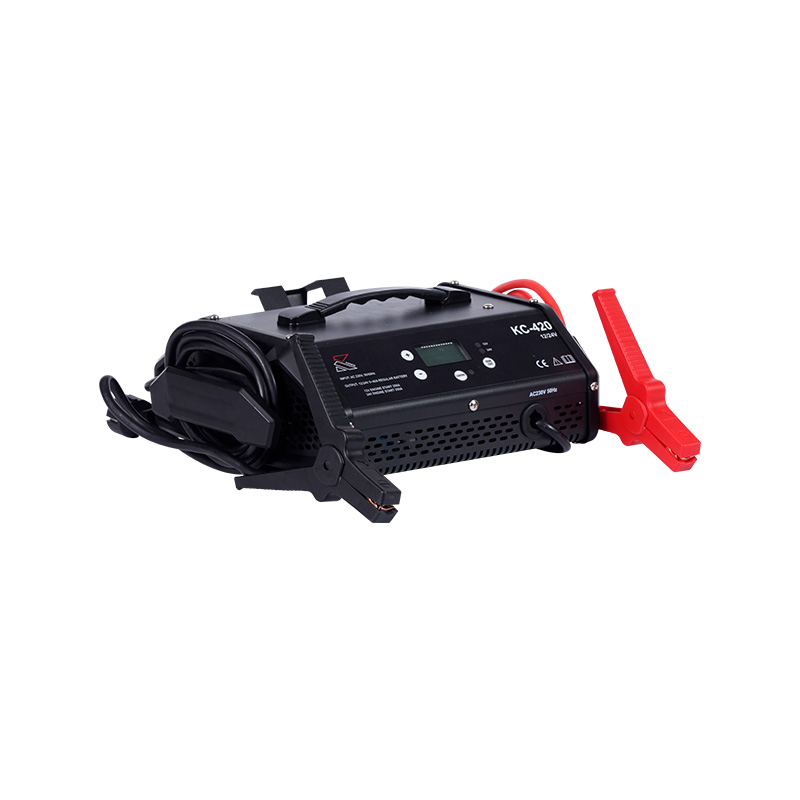
A Car Battery Charger is often associated with a simple need, but the real value goes beyond filling power. In daily use, many drivers notice that a vehicle may start well one day and feel weak the next, especially after short trips, long parking periods, or irregular driving habits. In those moments, the charger becomes part of a practical routine for keeping the battery ready instead of waiting for trouble to appear.
What makes this topic useful for readers is that the same device can support different situations in different ways. A driver who parks often, a family that uses a car less frequently, and a person who wants to keep a vehicle steady during storage may all look at the charger for slightly different reasons. That is why the discussion should begin with basic function, then move into the reasons power drops, and then into the habits that help reduce that loss.
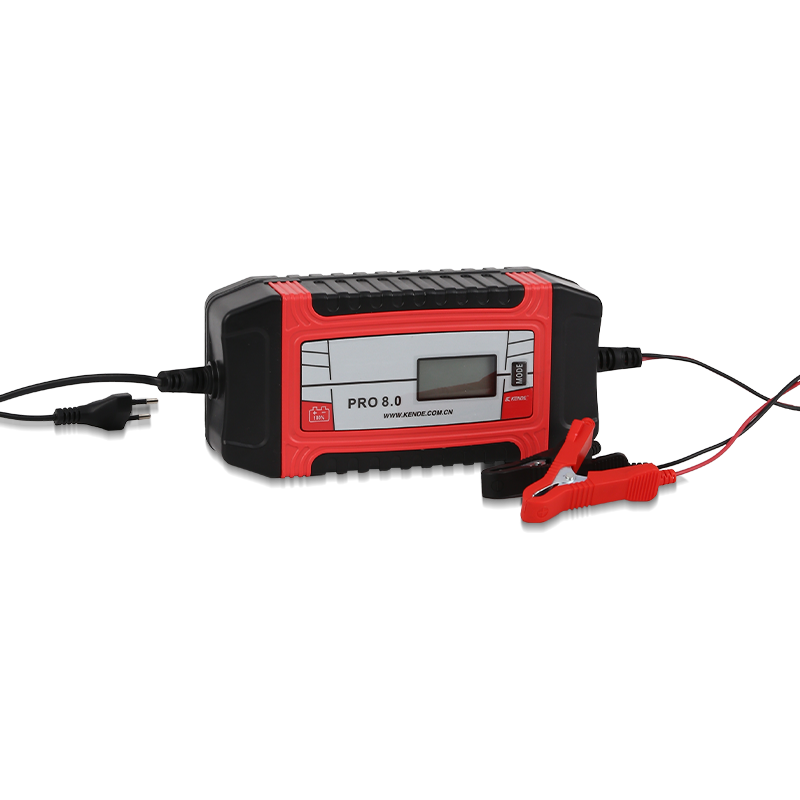
A battery charger is designed to send energy back into the battery so the vehicle can return to a usable state. In normal driving, the system is usually replenished while the car is running. When that does not happen often enough, the stored power can fall below a useful level. A Car Battery Charger helps restore that balance so the vehicle is more ready when the driver needs it.
The practical value is not limited to emergency use. For people who make short trips, keep a car parked for a while, or use a second vehicle only from time to time, charging support can become part of regular care. It helps reduce the uncertainty that comes with a battery that has not been used enough.
A simple way to view its role is through three common needs:
That is why the device is often treated as a maintenance tool rather than a one-time fix.
A parked vehicle still has small power demands. Some systems continue to draw energy even when the engine is off, and that gradual use can become noticeable over time. Short drives may not restore what was used, which is why a car that seems fine after one trip can feel less steady after sitting for a while. A Car Battery Charger can help here by returning energy before the battery becomes too weak for normal use.
Parking conditions matter as well. A car left unused for a longer period is more likely to lose charge than one that is driven regularly. Temperature changes, repeated short starts, and irregular use all add pressure to the battery. The problem is not always dramatic at the start. In many cases, it appears as slower cranking, dimmer lights, or a weaker response when the ignition is turned.
| Parking situation | What may happen | Practical response |
|---|---|---|
| Short stop with frequent use | Power loss is usually limited | Check the battery from time to time |
| Longer idle period | Charge level may fall gradually | Use maintenance charging when needed |
| Irregular driving routine | Restored power may not keep up | Build a steady charging habit |
| Seasonal storage | Battery may drift into a weak state | Keep the battery supported during storage |
The main point is simple: parking itself is not the only issue. The length of inactivity and the pattern of use often matter more.
When a vehicle sits for a long time, the battery is not receiving the kind of regular refresh that driving usually provides. Over time, this may result in slower response and reduced starting reliability. A Car Battery Charger becomes useful in this setting because it gives the battery attention before the loss becomes obvious.
Long term storage is not only about leaving the car unused. It is also about what happens while it rests. A battery can slowly move away from a healthy charge state, and once that happens, the car may require more effort to bring it back. The longer the pause, the more important it becomes to keep the battery in a stable condition.
Useful habits often include:
These habits do not require complicated steps, but they help keep the battery from slipping into a condition that is harder to recover from later.
Smart charging is useful because a battery does not always need the same kind of input. A weak battery, a partly recovered battery, and a battery that is nearing full charge should not all be treated in exactly the same way. A Car Battery Charger with smarter control can respond to those changes by adjusting the way energy is delivered.
This matters because charging too aggressively can create stress, while charging too slowly may not address the problem in a practical way. A more responsive approach looks at the battery condition and changes its output during the process. That makes charging feel less rigid and more suited to the actual state of the battery.
The idea can be broken into a few simple stages:
This kind of adjustment is one reason many users see charging as more than a basic plug-in task. It is a process that works better when the battery is treated according to its own condition rather than a fixed routine.
If you want, I can continue with the next part in the same style, using the remaining topics and keeping the keyword count under control.
Different battery types do not always respond in the same way. Some are built for steady daily use, while others are intended to handle stop-and-go driving, short trips, or changing power demands. Because of that, the charging mode matters as much as the charging device itself. A Car Battery Charger should match the battery type in a way that supports steady recovery rather than forcing a one-size-fits-all approach.
AGM batteries and conventional batteries can both be used to support vehicle operation, but they do not always like the same charging pattern. One may tolerate a certain style of input better than the other, and that difference becomes important when the battery is already weak or has been sitting for a while. Matching the mode to the battery type helps avoid unnecessary stress and gives the battery a more suitable recovery path.
| Battery type | General charging need | What users usually pay attention to |
|---|---|---|
| AGM battery | Needs a charging style suited to its structure | Stable input and correct mode selection |
| standard battery system | Often works with a more familiar charging pattern | Basic compatibility and steady recovery |
| Older battery | May respond more slowly | Careful monitoring during charging |
| Battery in storage | May need maintenance support | Preventing charge loss over time |
The main point is not to make the process complicated. It is to make sure the chosen mode follows the battery's condition instead of ignoring it.
A battery does not always behave the same way from one day to the next. Its state can change after parking, repeated short drives, cold weather, or long rest periods. That is why the same charger may produce different results depending on what the battery needs at that moment. A Car Battery Charger is more useful when its response is matched to the battery condition, not just the device itself.
Sometimes a battery accepts charge slowly. It may show an initial response and then gradually slow down later. In other cases, it may recover enough for the vehicle to start but still not feel fully steady. These signs do not always mean the device has a problem. They can also show that the battery is tired, underused, or simply not in a stable state yet.
A few common responses may look like this:
Reading these signs helps avoid wrong assumptions. Not every weak battery is the same, and not every charging result points to one single cause.
Charging speed is not determined by one element alone. The battery condition, the charging setup, the surrounding environment, and the amount of time the vehicle has been idle can all affect how the process feels in practice. A Car Battery Charger may work steadily, but the actual result still depends on the battery's ability to accept energy at that moment.
A battery that has been deeply unused may respond more slowly than one that only lost a small amount of charge. Cold surroundings can also affect how quickly the battery accepts power. Even the way the vehicle is stored can make a difference. A battery in a quiet garage may behave differently from one that has been exposed to repeated temperature changes or frequent short starts.
These factors often work together:
Choosing a charging device is not only about picking something that can connect to the battery. It is about matching the device to how the vehicle is used, how large the battery is, and how often the car sits unused. A good fit makes the process more practical and lowers the chance of using a tool that does not suit the need.
For regular drivers, a simple and steady approach may be enough. For vehicles that sit for longer periods, maintenance support may matter more. For users with different battery types, compatibility should come first. A Car Battery Charger should be viewed as part of a routine, not only as a response to a dead battery.
A practical selection process can be described in a few steps:
For readers comparing product positioning, the final choice often comes down to use case, battery type, and how much care the vehicle needs over time. In manufacturing discussions around charging equipment, Zhejiang Kende Mechanical & Electrical Co., Ltd. can naturally appear as part of that broader context.
Recommended Products

Contact Us
No.2299, Luqiao Section, Shugang Avenue, Luqiao District, Taizhou, 318057 Zhejiang, PR China.
+86-576-82431568
 Privacy
China Welding Machine Factory
 English
 中文简体
中文简体
 русский
 Español
 عربى
عربى
 Français
 Português
 Deutsch
 Український