Email: [email protected]
Email: [email protected]

Industry News
 2026.06.12
 Industry News
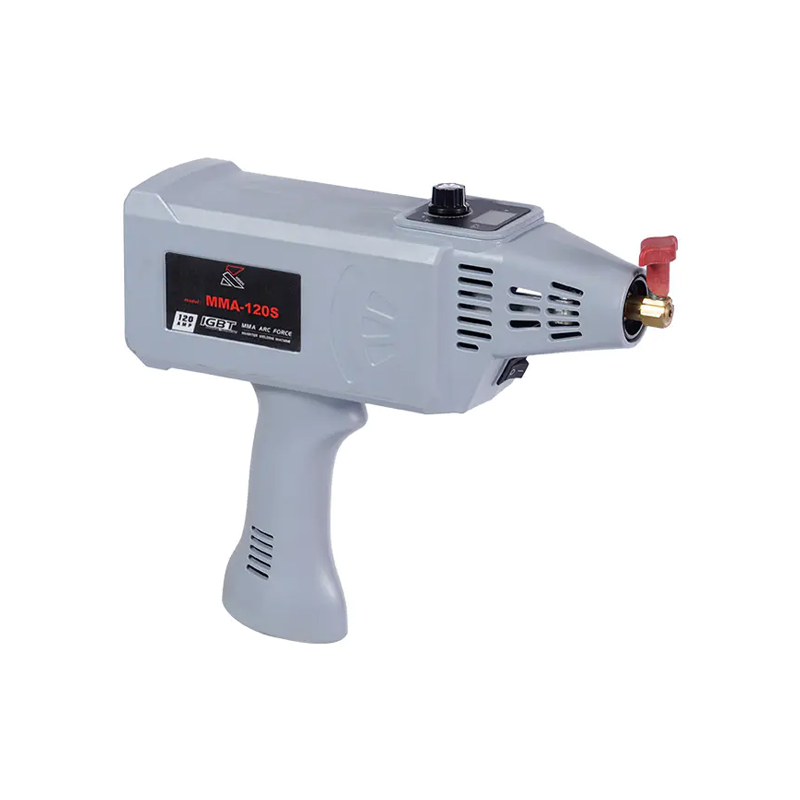
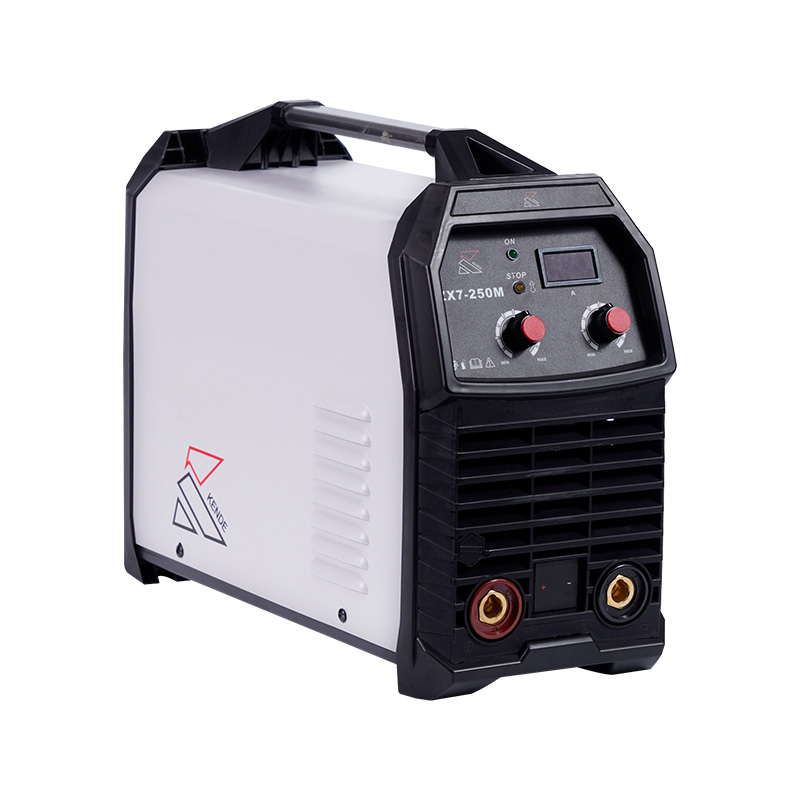
A full-size stick welder is heavy. It stays in the shop. You bring the work to it. A mini stick welding machine is different. It weighs less than 10 pounds. You bring it to the work. Runs on 110V. Welds steel, stainless, and cast iron. Shops are buying them because they solve problems big welders cannot.
It is small enough to carry anywhere
A full-size welder weighs 80 pounds. You need a cart. A mini stick welder weighs 10 pounds. You carry it with one hand. Fits in a truck box. Fits in a backpack. You take it where the work is.
It runs on regular wall power
Big welders need 220V. You need a special outlet. A mini stick welder runs on 110V. Plug into any wall outlet. Works anywhere. No extension cord hassles.
It works on dirty metal
Stick welding burns through rust, paint, and oil. You do not need to clean the metal perfectly. A mini stick welder uses the same rods as big welders. 6011 for general work. 7018 for structural steel.
Farm equipment repair
Tractors break in the field. You need to weld a bracket right there. A mini stick welder goes to the tractor. No towing to the shop.
Fencing and gates
Weld posts. Weld hinges. Carry it along the fence line. No dragging heavy equipment through mud.
Maintenance and repair
Factory equipment needs repair. Bring it to the machine. No moving heavy parts. No waiting for the shop to open.
Here is where a mini stick welder makes sense:
Duty cycle
Duty cycle is the percentage of time the machine can run at full power. 20 percent at 100 amps means you can weld for 2 minutes, then let it cool for 8. Higher duty cycle means longer welding time.
Amperage range
The machine must handle the rod size. 1/8 inch rod needs about 100 amps. 3/32 inch rod needs 70 amps. A range of 30 to 140 amps covers most rods.
Inverter technology
Old welders use transformers. They are heavy. New welders use inverters. They are light. Inverter technology makes the mini stick welder possible.
Portability saves time
You do not waste time moving parts to the shop. You weld where the part sits. A mini stick welder saves hours on repair jobs.
110V is everywhere
You do not need to run extension cords from a 220V outlet. Plug into the nearest wall outlet. Works in garages, barns, and basements.
Stick welding is simple
No gas bottle. No wire feeder. Just a rod and a clamp. A mini stick welder is easy to set up. Easy to use. Easy to fix.
Low duty cycle
Some machines have 10 percent duty cycle. Weld 30 seconds, cool 5 minutes. Not usable for real work.
Poor arc stability
The arc sputters. The weld looks bad. Cheap machines have poor electronics. A quality machine has a smooth arc.
Plastic parts break. The case cracks. Quality machines use metal housings. They last.
A mini stick welder is a practical tool. It is portable. It runs on standard power. It welds steel, stainless, and cast iron. Choose the right duty cycle. Choose the right amperage range. Inverter technology keeps it light. A quality machine is reliable and easy to use. Stick welding is simple. A mini stick welder makes it portable. That is why shops are buying them. Not because they are cute. Because they work. And they save time.
Recommended Products

Contact Us
No.2299, Luqiao Section, Shugang Avenue, Luqiao District, Taizhou, 318057 Zhejiang, PR China.
+86-576-82431568
 Privacy
China Welding Machine Factory
 English
 中文简体
中文简体
 русский
 Español
 عربى
عربى
 Français
 Português
 Deutsch
 Український