Email: [email protected]
Email: [email protected]

Industry News
 2026.10.09
 Industry News
A welding arc needs a power source that can hold a steady current while the operator moves the rod or the wire. That power source comes from a factory floor where transformers get wound, circuit boards get coated, and every unit gets run under load before it ships. A welding machine factory builds these machines for stick, MIG, TIG, and multi-process work. The welder sees the arc. The factory sees everything behind it.
Older welding machines are built around a heavy transformer that steps the voltage down and the current up. The transformer is wound in-house from copper or aluminum wire on a laminated steel core. The number of turns and the wire gauge set the output amperage and the duty cycle.
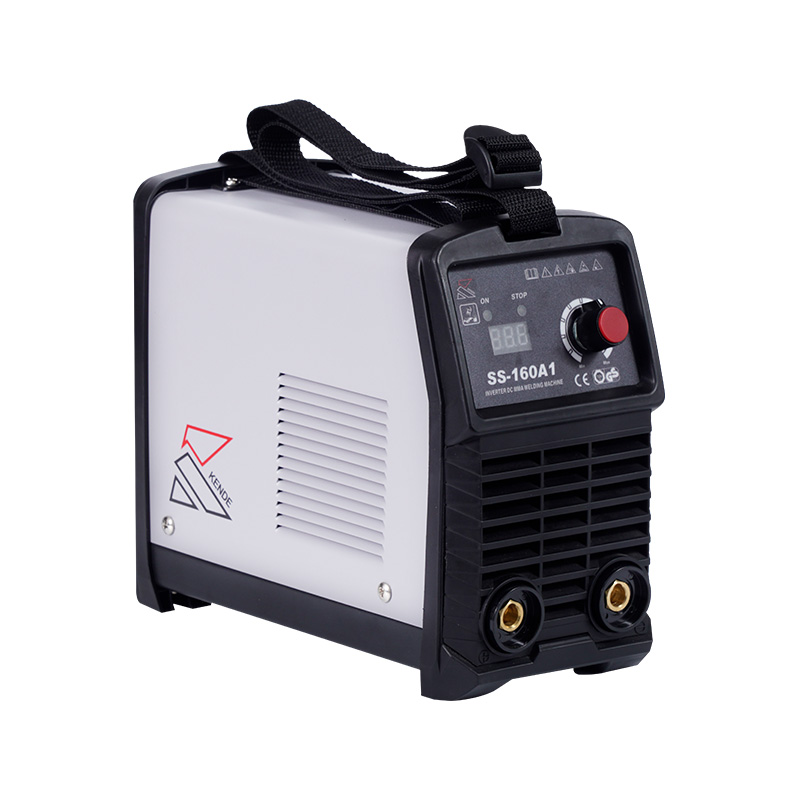
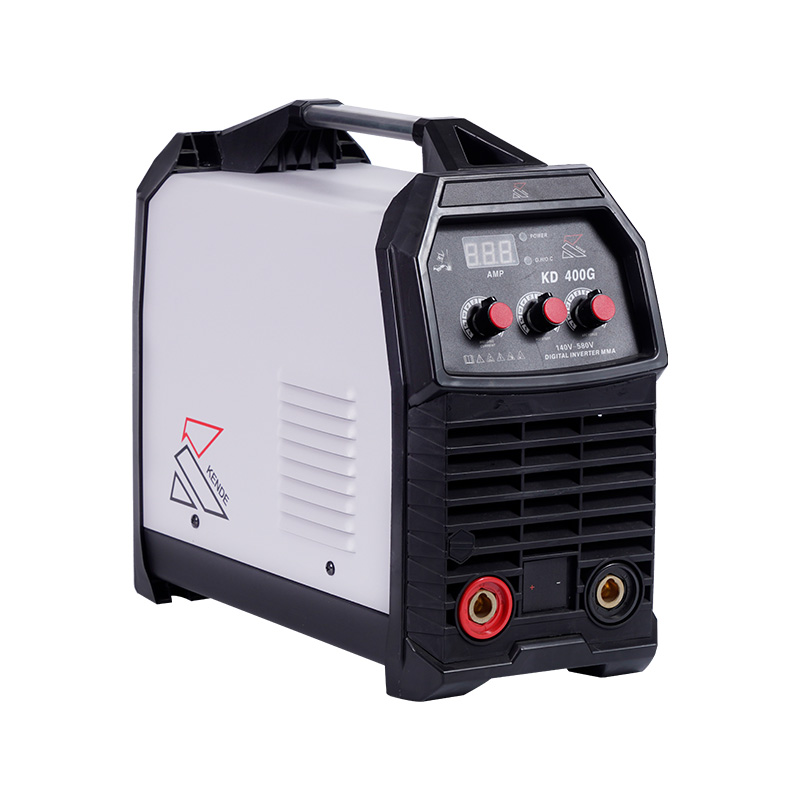
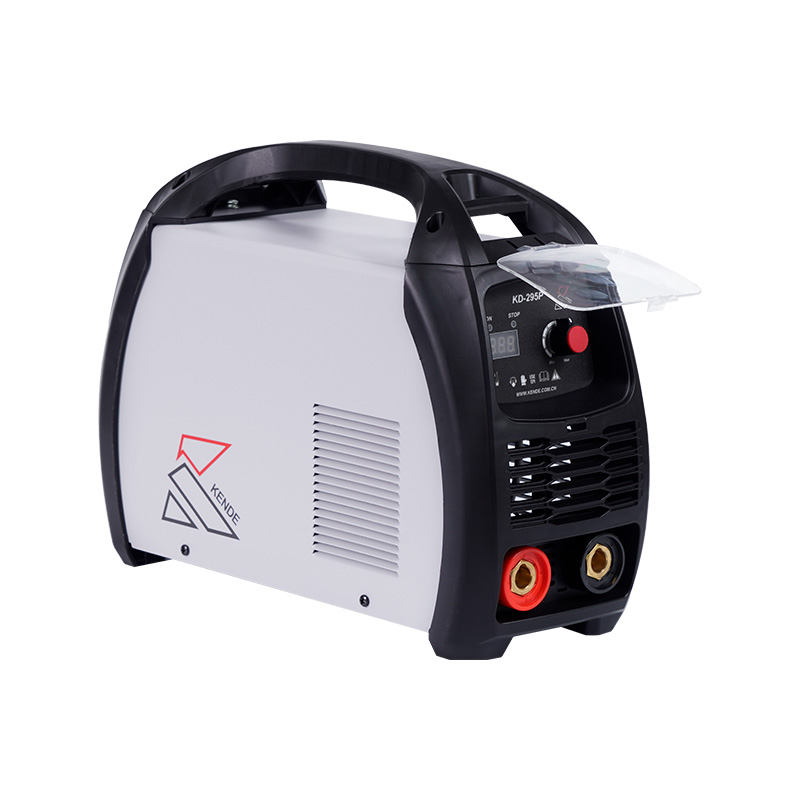
Inverter machines replace the heavy transformer with high-frequency switching electronics. The inverter is smaller, lighter, and more efficient. A welding machine factory that builds inverters has to control the switching and the thermal management, because the electronics are less forgiving than a transformer.
MIG welding feeds a wire into the arc. The wire feed system is the part that most often fails. The drive rollers grip the wire and push it through the liner to the torch. The rollers are hardened steel with a groove matched to the wire diameter. The gear case is metal, not plastic.
A welding machine factory that builds MIG machines with metal gears and quality rollers produces a feed that lasts through the start-stop of production welding. A plastic gear strips and the wire stops moving.
A welding shop is full of conductive dust: grinding fines and metal particles. The cooling fan pulls that air through the machine. A welding machine factory that coats the circuit boards with conformal coating keeps the dust off the components. A factory that skips the coating ships a machine that fails in a dirty shop, sometimes within the first year.
Here is what a welding machine factory needs to deliver:
Every machine should be run before it ships. The test bay strikes an arc on steel plate. The amperage is checked against the setting. The duty cycle is verified. A welding machine factory that tests under load catches the loose terminal, the misrouted wire, and the fan that vibrates before the customer does.
The buyer sees the arc. The buyer never sees the winding tension on the transformer, the conformal coating on the board, or the test bay that ran the machine before it shipped. Those decisions determine whether the machine welds for a season or for a decade.
A welding machine factory is not selling a box with a cable. It is selling the sum of the invisible decisions. The arc is where they show up.
Recommended Products

Contact Us
No.2299, Luqiao Section, Shugang Avenue, Luqiao District, Taizhou, 318057 Zhejiang, PR China.
+86-576-82431568
 Privacy
China Welding Machine Factory
 English
 中文简体
中文简体
 русский
 Español
 عربى
عربى
 Français
 Português
 Deutsch
 Український