Email: [email protected]
Email: [email protected]

Industry News
 2026.01.09
 Industry News
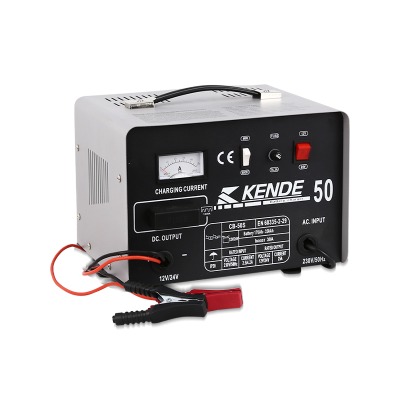
Welding is a cornerstone of modern manufacturing, construction, and repair work. Behind the machines that make precise, strong welds possible, a Welding Machine Factory plays a crucial role in turning raw materials and engineering concepts into reliable tools. Understanding the production and design processes of these factories can help buyers and manufacturers select machines that meet operational needs.
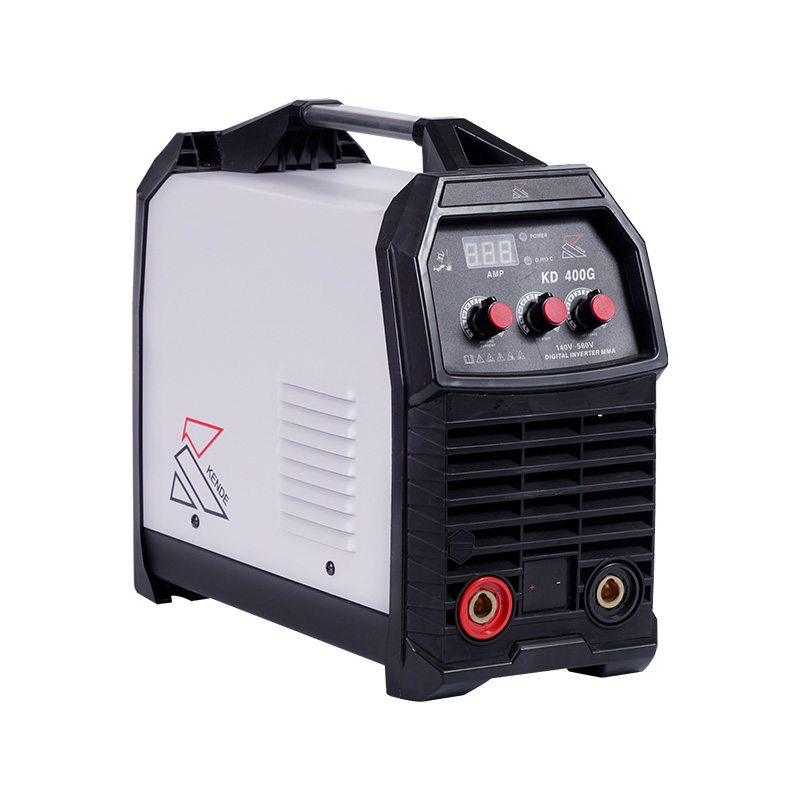
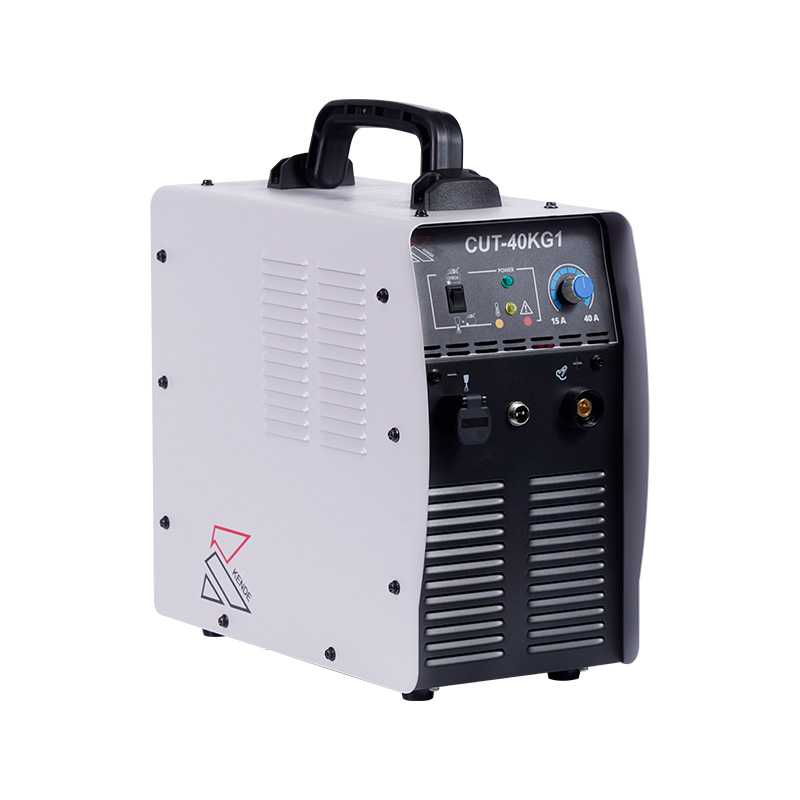
A Welding Machine Factory specializes in producing various types of welding equipment, including MIG, TIG, stick, and plasma welders. These machines are used in metal fabrication, automotive repair, shipbuilding, and industrial construction. Factories are responsible not only for assembling machines but also for ensuring consistent performance, durability, and safety in real-world applications.
The factory focuses on practical design, quality control, and compliance with industry standards, providing buyers with machines that are ready for daily use.
The production of welding machines relies on carefully selected materials. High-quality metals, electronic components, and insulation materials are used to ensure safety and efficiency. The welding power source, transformers, inverters, and control panels are all assembled under strict quality standards.
A Welding Machine Factory pays attention to heat resistance, electrical insulation, and mechanical durability. This ensures that the machines can handle continuous operation, resist wear, and maintain stable performance over time.
The workflow in a Welding Machine Factory typically includes:
Automation is often used for repetitive or precision tasks, while skilled technicians handle assembly and calibration to maintain performance and reliability.
Welding machines must meet the demands of different users and applications. A Welding Machine Factory designs equipment with user convenience in mind. Controls should be intuitive, settings easy to adjust, and the machine portable if required. Cooling systems and protective casings are added to ensure long-term operation and operator safety.
Some machines are designed for light repair work, while others handle heavy-duty industrial tasks. By offering different models, factories can serve both small workshops and large production facilities.
Quality control is critical in welding machine production. Factories perform tests to ensure consistent voltage output, accurate current settings, and stable operation under load. Safety checks include grounding, insulation testing, and protective casing integrity.
Regular inspections help prevent defects, reduce machine downtime, and maintain safe working conditions. Reliable quality control is essential for maintaining trust with buyers and supporting long-term industrial projects.
Many buyers require customized welding machines to suit specific tasks. A Welding Machine Factory can adjust machine power, voltage ranges, control features, or cooling methods according to client requirements. Customization allows manufacturers to serve both domestic markets and international clients with specialized production needs.
Working with a reliable Welding Machine Factory provides buyers with consistent supply, technical support, and machines that meet operational requirements. Understanding the factory's design and production processes helps buyers select equipment that aligns with project goals, reduces maintenance concerns, and ensures safety.
A Welding Machine Factory plays a practical and technical role in supporting industrial fabrication and repair work. From material selection and design to assembly, testing, and quality control, each step ensures that welding machines perform reliably and safely. Awareness of these processes helps buyers make informed choices and ensures that the machines they purchase meet long-term operational demands.
Recommended Products

Contact Us
No.2299, Luqiao Section, Shugang Avenue, Luqiao District, Taizhou, 318057 Zhejiang, PR China.
+86-576-82431568
 Privacy
China Welding Machine Factory
 English
 中文简体
中文简体
 русский
 Español
 عربى
عربى
 Français
 Português
 Deutsch
 Український