Email: [email protected]
Email: [email protected]

Industry News
 Home / News / Industry News / Why Are Manufacturing Processes Important in a Welding Machine Factory?
  2026.01.27
 Industry News
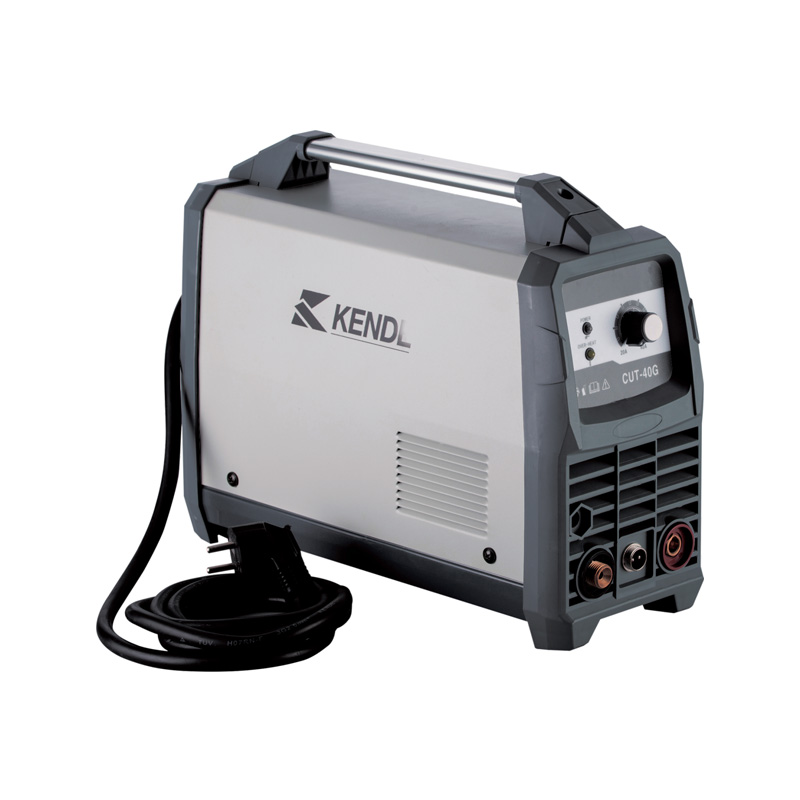
Welding machines are essential tools in construction, manufacturing, and repair industries. Behind every reliable welding machine is a Welding Machine Factory where careful design, material selection, and assembly come together. Understanding the processes inside such a factory reveals how these machines achieve durability, safety, and consistent performance.
A Welding Machine Factory starts with sourcing quality components. Key parts include transformers, inverters, circuit boards, welding cables, and housing materials. Each element must meet electrical and mechanical standards to ensure the machine operates safely under various loads.
Metals used for housings are chosen for heat resistance and durability, while insulation materials must protect against electrical hazards. Circuit components are tested for conductivity and endurance to maintain performance over time.
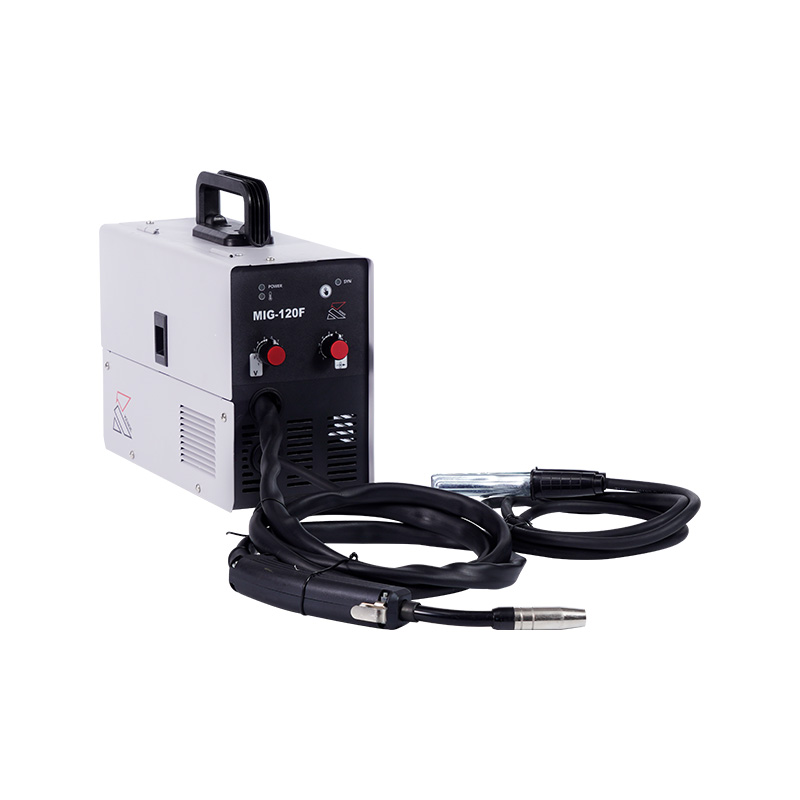
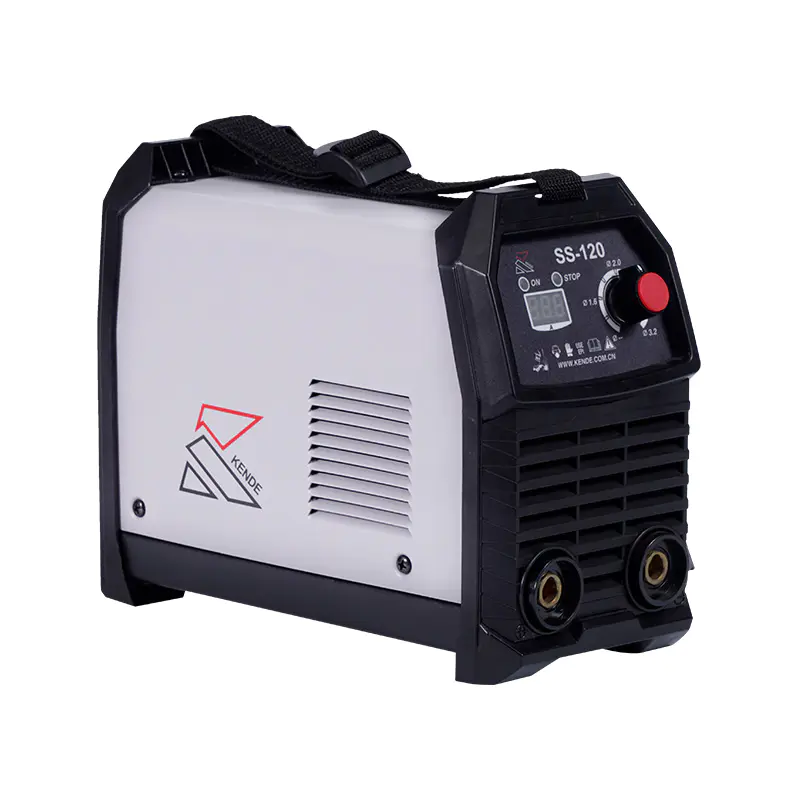
Before production, engineers in a Welding Machine Factory finalize machine designs. This includes determining voltage and current specifications, selecting the appropriate welding technology (such as MIG, TIG, or stick welding), and designing cooling and safety systems. Computer-aided design (CAD) tools help visualize components, optimize layouts, and reduce assembly issues later on.
Proper design ensures that the machine will function reliably in different working conditions, from industrial workshops to mobile repair units.
Once materials and designs are ready, assembly begins. In a Welding Machine Factory, the process often follows a structured sequence:
Automation is sometimes used for repetitive steps, while skilled technicians handle precise wiring and calibration.
Quality control is crucial in a Welding Machine Factory. Each machine undergoes functional testing to verify output current, voltage stability, and safety features. Load tests simulate real welding scenarios to ensure consistent performance. Any machine that does not meet standards is reworked or rejected.
Visual inspections also check for defects in housing, wiring, or labeling. This combination of functional and visual quality control ensures that machines leaving the factory are reliable and safe.
Many Welding Machine Factories offer customization to meet specific client requirements. This may include different power ratings, portable designs, or specialized welding technologies. Flexible production allows factories to serve both industrial clients and smaller businesses, while maintaining consistent quality standards.
A well-managed Welding Machine Factory emphasizes organized workflow, worker safety, and equipment maintenance. Tools and machinery are routinely checked to prevent production delays. Clear documentation and traceability of components also help maintain quality consistency across batches.
A Welding Machine Factory combines careful material selection, precise engineering, and rigorous assembly to produce machines that are reliable, safe, and effective. Through structured production processes and thorough testing, these factories ensure that welding machines meet the functional and safety demands of various industries. Understanding how a welding machine is manufactured highlights the attention to detail required and the role of factory standards in producing equipment that professionals can trust.
Recommended Products

Contact Us
No.2299, Luqiao Section, Shugang Avenue, Luqiao District, Taizhou, 318057 Zhejiang, PR China.
+86-576-82431568
 Privacy
China Welding Machine Factory
 English
 中文简体
中文简体
 русский
 Español
 عربى
عربى
 Français
 Português
 Deutsch
 Український