Email: [email protected]
Email: [email protected]

Industry News
 2026.01.23
 Industry News
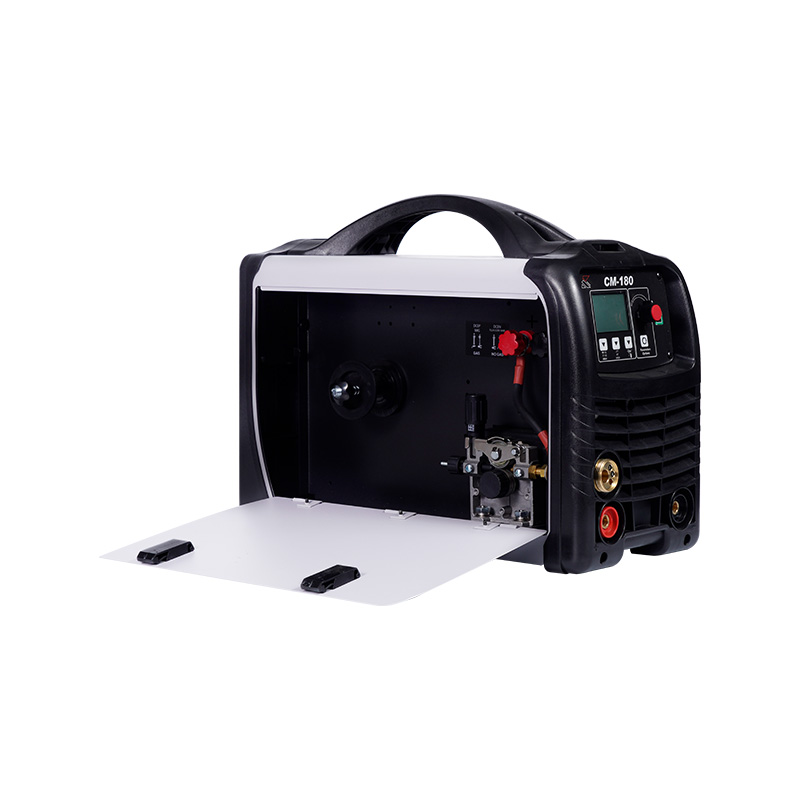
Welding technology has evolved significantly over the years, and inverter MIG welders are now widely used in workshops, construction sites, and metal fabrication industries. Behind these versatile machines, an Inverter MIG Welder Manufacturer plays a crucial role in turning engineering designs into reliable, user-friendly equipment.
An Inverter MIG Welder Manufacturer is responsible for designing, assembling, and testing welding machines that utilize inverter technology for improved efficiency and control. Inverter welders convert AC power into DC and then back into controlled AC output, allowing for more precise welding and energy savings.
Manufacturers focus not only on the electrical performance but also on safety, durability, and usability. Machines must perform consistently under different operating conditions, whether in a workshop or on a construction site.
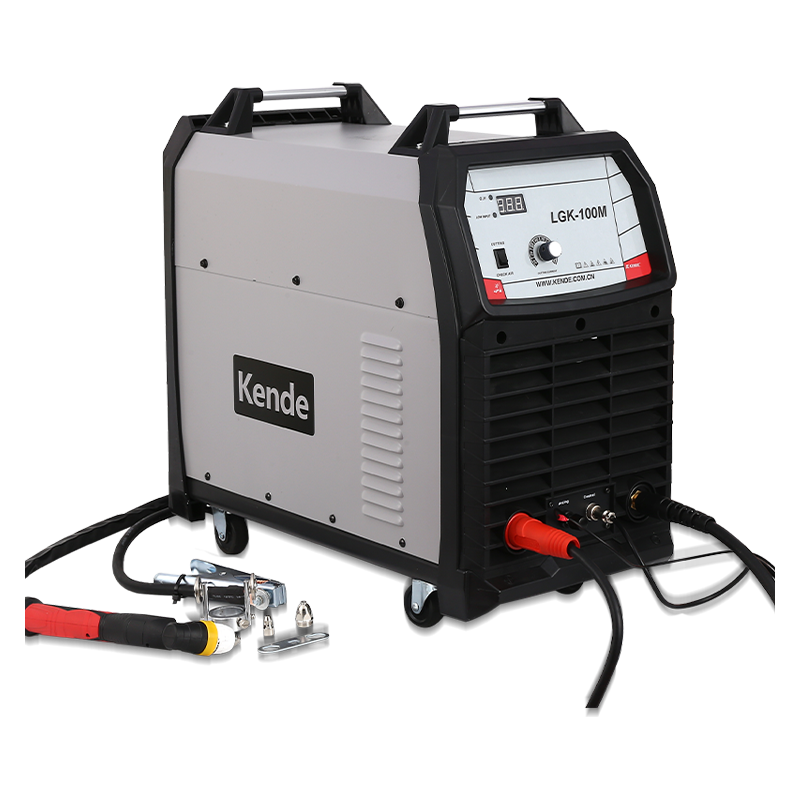
The design of an inverter MIG welder requires careful selection of components. Key parts include the inverter circuitry, transformers, wire feed mechanisms, and cooling systems. A reputable Inverter MIG Welder Manufacturer ensures that each component meets strict quality standards to maintain stable output and long-term reliability.
User-friendly design is also a priority. Features such as adjustable current, voltage controls, and clear digital displays make operation easier for both professionals and hobbyists. Ergonomic handles and compact frames contribute to portability and convenience.
The production of an inverter MIG welder involves multiple stages. Components are tested for electrical and mechanical quality. Then, the inverter circuits are assembled, wire feeders installed, and housings attached. Finally, machines undergo calibration and inspection to verify output parameters and safety features.
Consistency is critical. An Inverter MIG Welder Manufacturer implements quality control checks throughout production to ensure that each machine performs as expected. This includes load tests, arc stability evaluations, and thermal performance monitoring.
Safety is a central concern in welding equipment. Manufacturers test for proper grounding, insulation, and overload protection. An Inverter MIG Welder Manufacturer may also simulate long-duration welding tasks to confirm that machines can handle continuous operation without overheating or failure.
Performance testing ensures consistent arc quality, smooth wire feeding, and minimal spatter. These evaluations help users achieve precise and clean welds, reducing material waste and rework.
Different welding tasks require machines with specific capabilities. Some users need portable units for fieldwork, while others need higher-capacity machines for industrial fabrication. An Inverter MIG Welder Manufacturer often provides options such as dual-voltage operation, adjustable duty cycles, or multi-process compatibility to meet diverse demands.
Customization also allows manufacturers to serve global markets, adapting machines to meet electrical standards and user preferences in different regions.
Working with a reliable manufacturer offers buyers consistent quality, technical support, and predictable performance. Machines from a trusted Inverter MIG Welder Manufacturer are more likely to last longer, require fewer repairs, and provide consistent welding results over time. This reliability supports both small-scale workshops and larger industrial operations.
An Inverter MIG Welder Manufacturer plays a vital role in producing machines that combine efficiency, safety, and versatility. Through careful component selection, structured production, and thorough testing, manufacturers deliver welding equipment suited for a wide range of applications. Understanding the manufacturing process helps buyers choose machines that meet practical needs, ensuring reliable welding results and long-term satisfaction.
Recommended Products

Contact Us
No.2299, Luqiao Section, Shugang Avenue, Luqiao District, Taizhou, 318057 Zhejiang, PR China.
+86-576-82431568
 Privacy
China Welding Machine Factory
 English
 中文简体
中文简体
 русский
 Español
 عربى
عربى
 Français
 Português
 Deutsch
 Український