Email: [email protected]
Email: [email protected]

Industry News
 2026.02.06
 Industry News
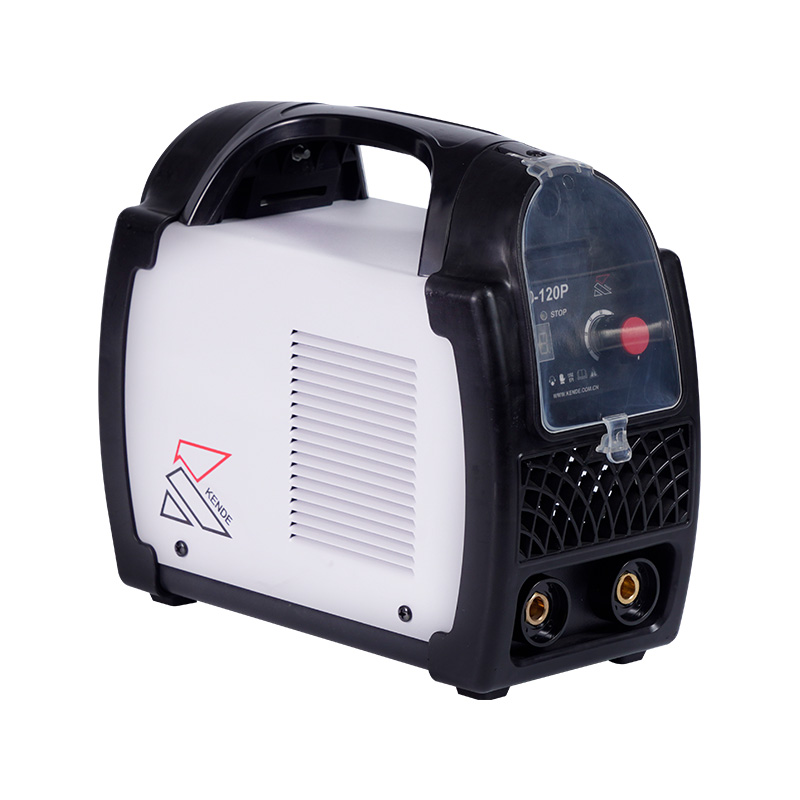
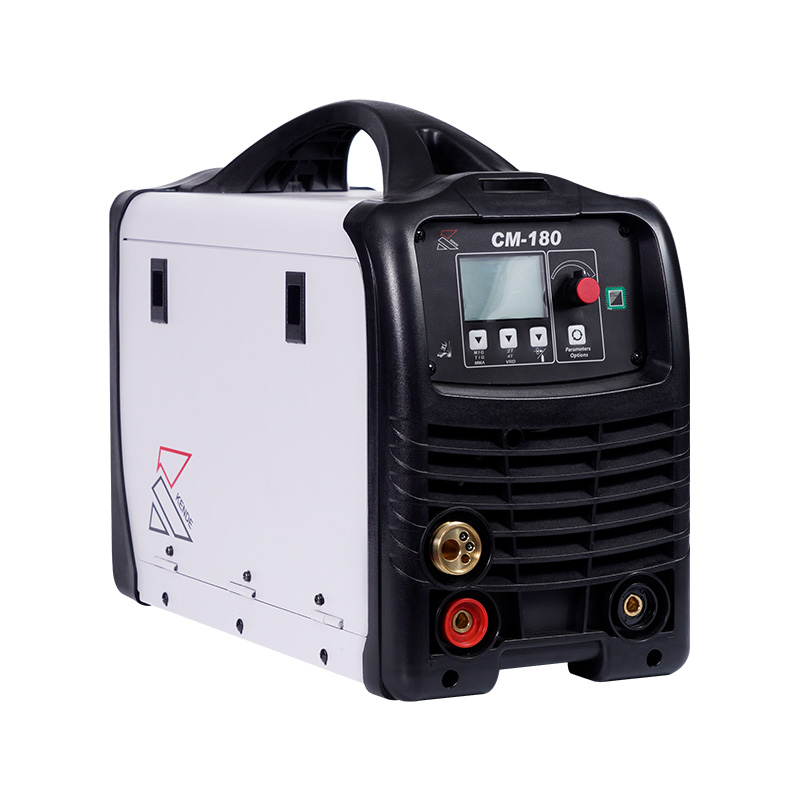
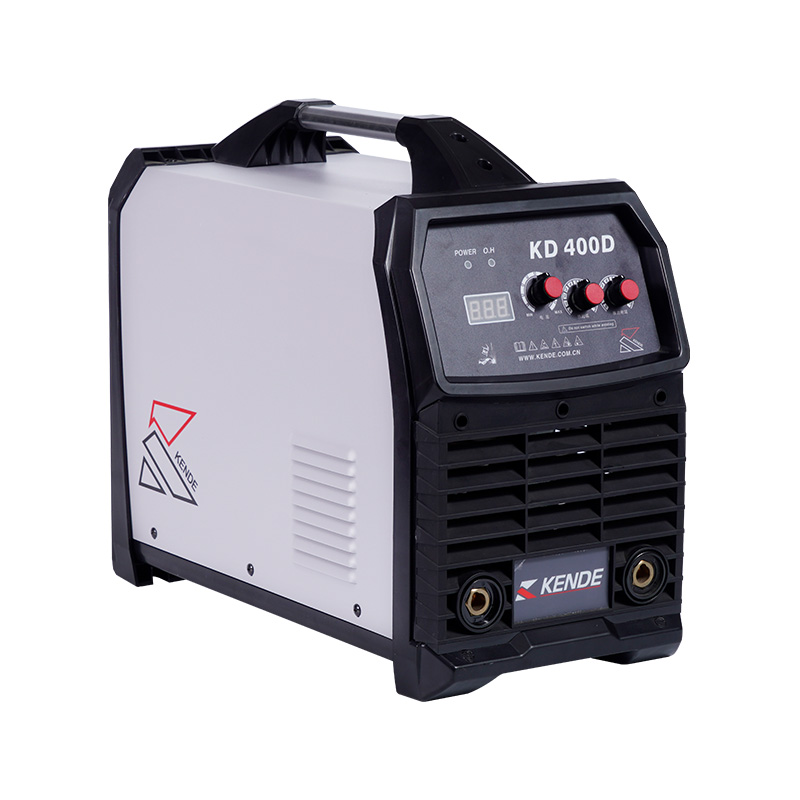
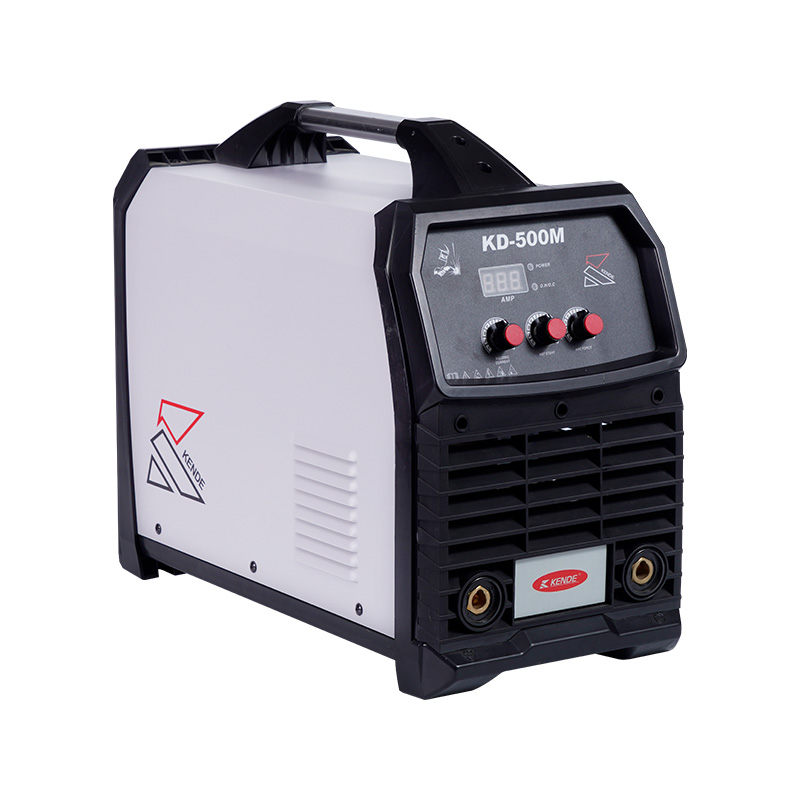
Welding machines are essential tools in manufacturing, construction, and repair work. They play a key role in joining metal components, maintaining machinery, and supporting structural projects. A Welding Machine Factory ensures that these tools meet safety, performance, and durability standards. Understanding how these factories operate can help buyers make informed decisions when sourcing welding equipment.
A Welding Machine Factory begins by selecting high-quality materials, including metals, plastics, and electronic components. These materials form the base for transformers, control panels, welding torches, and protective housings. Precision in assembly is critical because even minor errors can affect machine performance and safety. Some factories combine automated assembly with skilled manual labor to maintain consistent quality.
During production, machines are calibrated to deliver accurate voltage, current, and heat regulation. This step ensures that the welding process remains stable across different environments and applications.
Quality control is a core responsibility of a Welding Machine Factory. Finished machines are tested for durability, electrical performance, and safety compliance. Load tests, insulation checks, and operational trials are common methods to verify that the machines meet design specifications. These inspections reduce the likelihood of malfunctions or safety incidents during use.
Safety is a major concern in welding operations. Factories implement design features such as thermal protection, grounding, and proper insulation. Clear instructions and safety guidelines accompany the equipment to minimize risks for operators.
A Welding Machine Factory often provides customization to suit various industrial needs. Machines can be designed for different welding methods, including MIG, TIG, and arc welding. Power ratings, portability, and additional accessories can also be adjusted according to buyer requirements. Custom options allow manufacturers and repair professionals to select machines that fit specific workflows and project types.
Production efficiency is important when sourcing from a Welding Machine Factory. Factories with organized workflows can handle large orders without compromising quality. Communicating order quantities, specifications, and delivery schedules ensures that projects are completed on time. Reliable factories can respond to bulk orders or seasonal demands, making them suitable partners for distributors and industrial clients.
Machines from a Welding Machine Factory are built to last, but proper care is essential for long-term performance. Regular cleaning, inspection of connections, and replacement of worn parts can extend machine life. Many factories provide maintenance guidelines and troubleshooting tips to help users avoid unnecessary downtime and maintain consistent performance.
Some Welding Machine Factory operations are incorporating energy-efficient designs and recyclable materials. Using eco-friendly components and minimizing waste in production reduces environmental impact. Buyers who consider sustainability when choosing a factory contribute to responsible manufacturing practices and can offer clients more environmentally conscious products.
A Welding Machine Factory delivers more than just machines; it provides equipment that combines functionality, safety, and durability. By understanding production methods, quality control measures, customization options, efficiency, maintenance, and sustainability, buyers can make informed decisions when sourcing welding machines. Partnering with a reliable factory ensures that welding operations remain efficient, safe, and suited to specific industrial applications, supporting both professional and commercial needs.
Recommended Products

Contact Us
No.2299, Luqiao Section, Shugang Avenue, Luqiao District, Taizhou, 318057 Zhejiang, PR China.
+86-576-82431568
 Privacy
China Welding Machine Factory
 English
 中文简体
中文简体
 русский
 Español
 عربى
عربى
 Français
 Português
 Deutsch
 Український