Email: [email protected]
Email: [email protected]

Industry News
 Home / News / Industry News / How Does an Inverter Plasma Cutter Balance Precision, Power, and Portability?
  2026.02.13
 Industry News
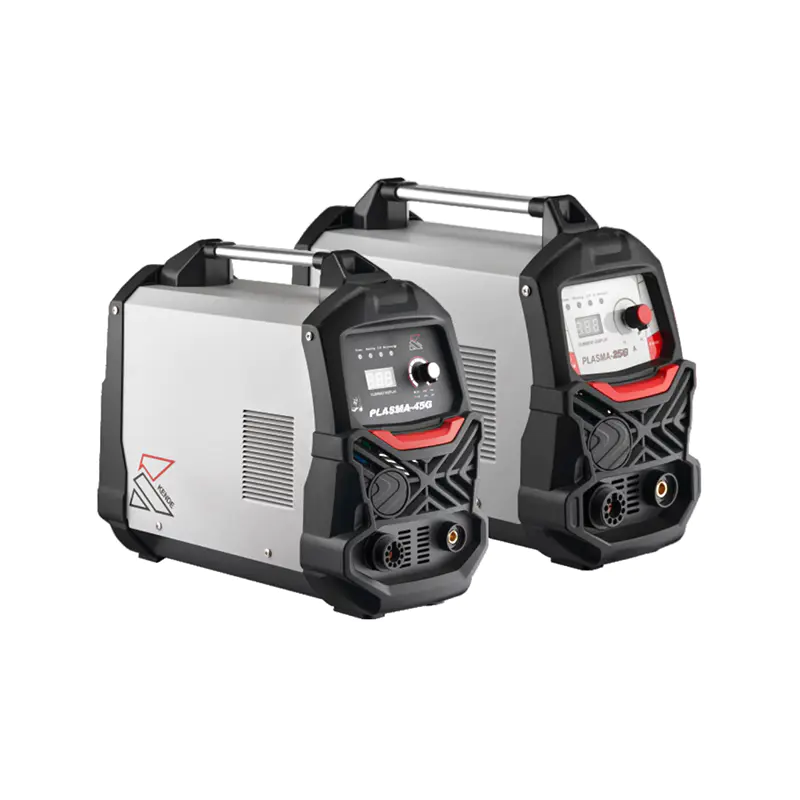
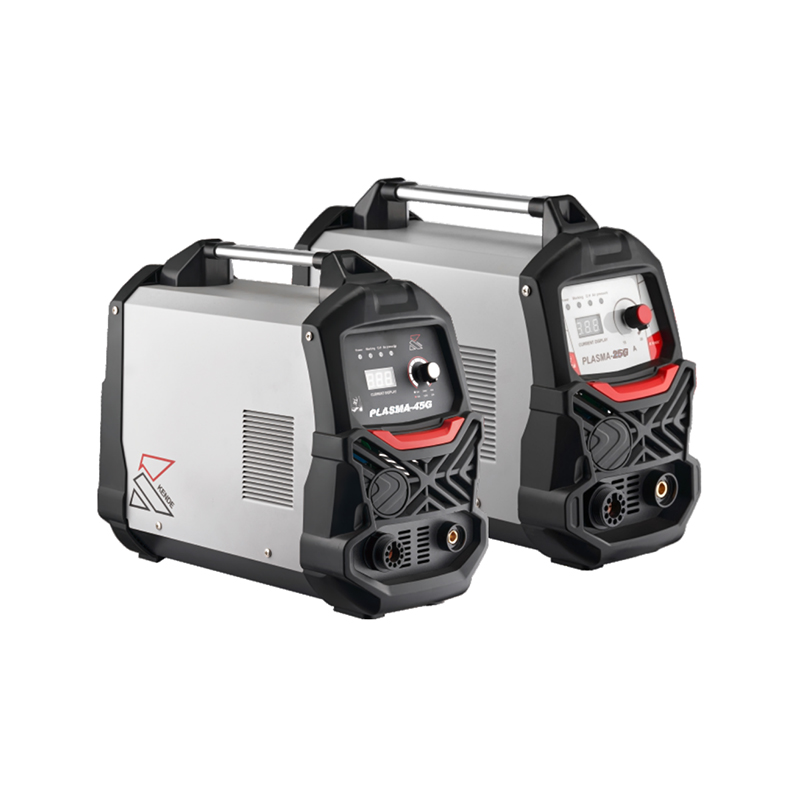
Metal fabrication requires precise, reliable, and efficient tools to achieve clean cuts and smooth edges. An Inverter Plasma Cutter is a versatile machine widely used in workshops, construction sites, and industrial applications. By using inverter technology to control the electrical current, this cutter provides consistent plasma arcs for cutting a range of metals with speed and accuracy.
An Inverter Plasma Cutter uses a high-frequency electrical arc to melt metal, while a stream of compressed gas blows away the molten material, creating a precise cut. Unlike traditional plasma cutters, inverter models employ electronic components to convert power efficiently and maintain stable arcs, which improves cutting consistency and reduces energy consumption.
These machines are typically lightweight, portable, and easier to operate than older transformer-based cutters, making them suitable for both professional welders and small workshop users.
Inverter Plasma Cutter machines are applied in various metalworking scenarios. In fabrication shops, they cut steel, stainless steel, aluminum, and other conductive metals for structural components or artistic projects. Construction crews use them for cutting beams, panels, and frames on-site, where portability and fast operation are crucial. Automotive repair shops also rely on plasma cutters for bodywork modifications and custom parts fabrication.
The versatility of an inverter plasma cutter allows operators to work on different metal thicknesses and shapes, providing flexibility that is valuable for multiple applications.
The inverter technology in these cutters provides several practical benefits. Electronic control of the current ensures a stable arc, which produces smoother cuts with less dross on the edges. Inverter machines are more energy-efficient than traditional models, consuming less power for the same cutting performance. Their compact design also makes transportation and storage easier for mobile operations or small workshops.
Many modern Inverter Plasma Cutter models include adjustable amperage settings, allowing operators to match the power output with the material thickness, which improves efficiency and safety during cutting.
Operating an Inverter Plasma Cutter requires careful attention to safety. Proper personal protective equipment (PPE) such as welding masks, gloves, and flame-resistant clothing is essential to protect from sparks, UV radiation, and hot metal fragments. The work area should be clear of flammable materials, and operators should ensure adequate ventilation to avoid inhaling fumes.
Maintaining the correct distance between the torch and the workpiece, and following the recommended cutting speed, helps prevent damage to the machine and ensures a clean, precise cut.
Maintaining an Inverter Plasma Cutter is relatively straightforward. Regularly inspecting consumables such as nozzles and electrodes ensures consistent arc quality. Cleaning the torch and cooling system prevents overheating and prolongs the machine's life. Proper storage and handling reduce the risk of electrical or mechanical damage, keeping the cutter reliable over years of use.
Periodic calibration of settings and careful monitoring of power supply stability also contribute to long-term performance.
An Inverter Plasma Cutter offers flexibility, precision, and portability that suit both professional and hobbyist users. Its ability to handle different metals and thicknesses, combined with electronic efficiency, makes it a practical tool for workshops that need consistent results. By reducing setup time, energy consumption, and physical effort, it improves workflow while maintaining cutting quality.
Whether for industrial fabrication, repair tasks, or creative metal projects, an inverter plasma cutter provides a reliable solution for precise and efficient metal cutting.
The Inverter Plasma Cutter is a versatile and practical tool for modern metalworking. Its use of inverter technology ensures stable arcs, precise cuts, and energy efficiency, while portability and ease of use make it suitable for a wide range of applications. By following proper operational and maintenance practices, operators can extend its lifespan and achieve consistent results across different projects, making it an important addition to any metalworking environment.
Recommended Products

Contact Us
No.2299, Luqiao Section, Shugang Avenue, Luqiao District, Taizhou, 318057 Zhejiang, PR China.
+86-576-82431568
 Privacy
China Welding Machine Factory
 English
 中文简体
中文简体
 русский
 Español
 عربى
عربى
 Français
 Português
 Deutsch
 Український