Email: [email protected]
Email: [email protected]

Industry News
 2026.03.13
 Industry News
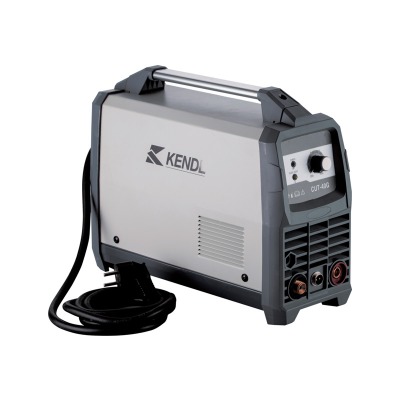
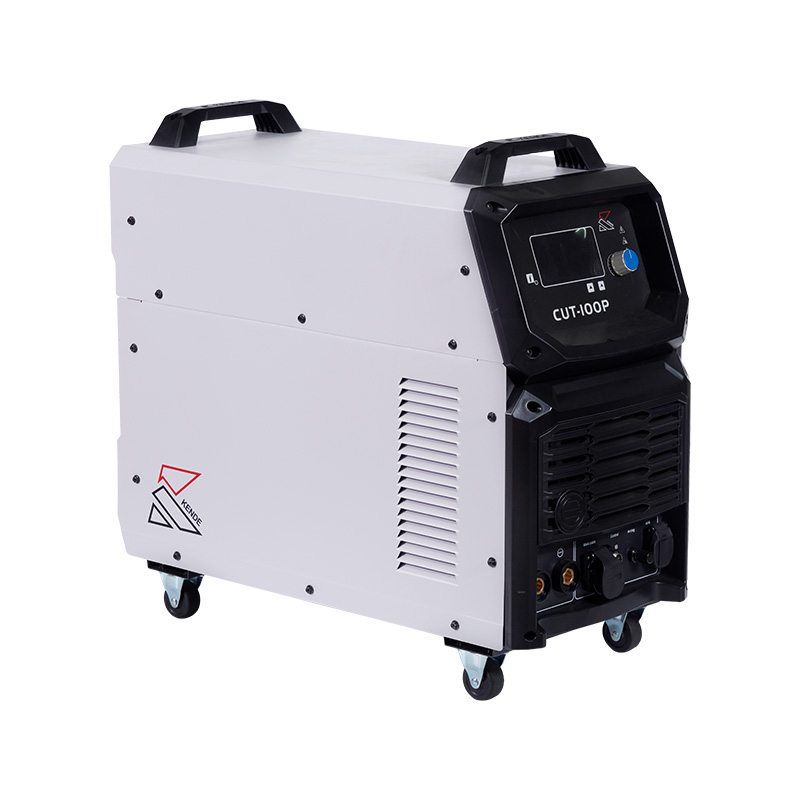
Metal cutting has evolved significantly over the years. From manual torches to bulky industrial machines, each stage has brought new levels of speed and control. Today, the Inverter Plasma Cutter stands out as a compact yet capable tool that fits both professional workshops and small-scale garages. It represents a shift toward efficiency, portability, and cleaner cutting performance.
Traditional plasma cutters often relied on large transformers, making them heavy and difficult to transport. The Inverter Plasma Cutter uses inverter technology, which converts power more efficiently and allows for a lighter internal structure. As a result, these machines are easier to carry and store without sacrificing cutting ability.
For technicians who move between job sites, portability matters. Whether working in construction, automotive repair, or metal art studios, the ability to bring a reliable cutter without complex setup simplifies daily tasks. An Inverter Plasma Cutter can often run on standard power supplies, reducing the need for specialized infrastructure.
Precision is essential when cutting metal sheets, pipes, or structural components. An Inverter Plasma Cutter generates a focused plasma arc that melts metal cleanly, producing narrower kerf widths compared to traditional cutting torches. This means less material waste and smoother edges.
In many cases, reduced slag and minimal heat distortion help lower the amount of post-cut grinding required. Fabricators appreciate this efficiency because it shortens finishing time and improves overall workflow. For projects that require detailed shapes or tight angles, controlled arc performance becomes especially valuable.
An Inverter Plasma Cutter is not limited to one type of metal. It can handle mild steel, stainless steel, aluminum, and other conductive materials. This versatility makes it a practical investment for workshops that manage diverse projects.
For example, automotive repair shops may need to cut thin sheet metal panels one day and thicker structural components the next. Metal artists might switch between decorative stainless designs and aluminum frameworks. Having one tool capable of adapting to different materials simplifies equipment management.
Energy consumption is an ongoing concern in industrial environments. The inverter-based design allows the Inverter Plasma Cutter to operate more efficiently compared to older transformer systems. This can translate into lower electricity use over time, particularly for workshops that operate daily.
In addition, the machine's stable arc performance can extend the life of consumable parts such as electrodes and nozzles. Fewer replacements mean reduced downtime and more predictable operating costs. While initial investment varies by model, long-term savings can be an important factor for small businesses.
In the past, advanced metal cutting technology was often limited to large factories. The compact size and user-friendly controls of the Inverter Plasma Cutter make it accessible to independent contractors and hobbyists. Clear digital displays and adjustable current settings help users match power output to specific tasks.
This accessibility has expanded creative possibilities. DIY builders, custom furniture makers, and small fabrication shops can now produce clean metal cuts without relying on large industrial systems. The technology supports both commercial production and personal projects.
Like all cutting equipment, proper safety measures are essential. However, the controlled arc and consistent performance of an Inverter Plasma Cutter help reduce unexpected sparks or unstable flames compared to traditional torch methods. Combined with protective gear and proper ventilation, users can maintain safer working conditions.
Its relatively quick startup and shutdown process also make short cutting tasks more convenient. Instead of setting up large gas systems, operators can power on the machine and begin work efficiently.
The rise of the Inverter Plasma Cutter reflects a broader shift toward compact, adaptable tools in fabrication. Workshops are looking for equipment that balances power with convenience, and inverter technology addresses that demand.
While it may not replace every traditional cutting method, the Inverter Plasma Cutter has carved out an important place in modern metalworking. By combining portability, precision, and versatility, it continues to shape how professionals and enthusiasts approach cutting tasks in today's fast-moving work environments.
Recommended Products

Contact Us
No.2299, Luqiao Section, Shugang Avenue, Luqiao District, Taizhou, 318057 Zhejiang, PR China.
+86-576-82431568
 Privacy
China Welding Machine Factory
 English
 中文简体
中文简体
 русский
 Español
 عربى
عربى
 Français
 Português
 Deutsch
 Український