Email: [email protected]
Email: [email protected]

Industry News
 Home / News / Industry News / How Does a Welding Machine Factory Adapt to Changing Industrial Demands?
  2026.03.06
 Industry News
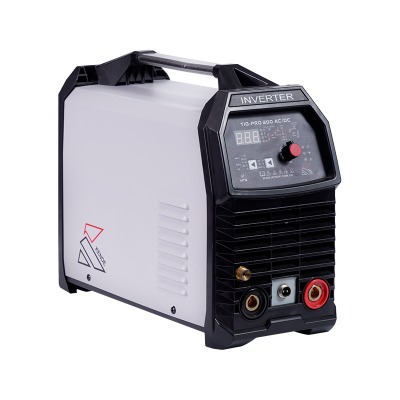
When people think about construction sites, shipyards, or automotive assembly lines, they picture sparks flying and metal taking shape. Rarely do they think about the place where those welding machines are designed and built. Yet a Welding Machine Factory plays a crucial role in shaping the reliability and performance of countless industrial projects.
Behind every stable arc and solid joint lies careful engineering, quality control, and production planning. So how does a Welding Machine Factory operate in a world where industries are constantly evolving?
A Welding Machine Factory does more than assemble components. It begins with research and development. Engineers analyze user feedback, study application scenarios, and design systems that meet practical needs. Power output, cooling methods, portability, and safety features are all carefully considered.
Once a design is finalized, the production line transforms concepts into physical machines. Precision assembly ensures internal circuits, transformers, and control panels work together smoothly. Even small inconsistencies can affect welding stability, so attention to detail remains essential throughout the process.
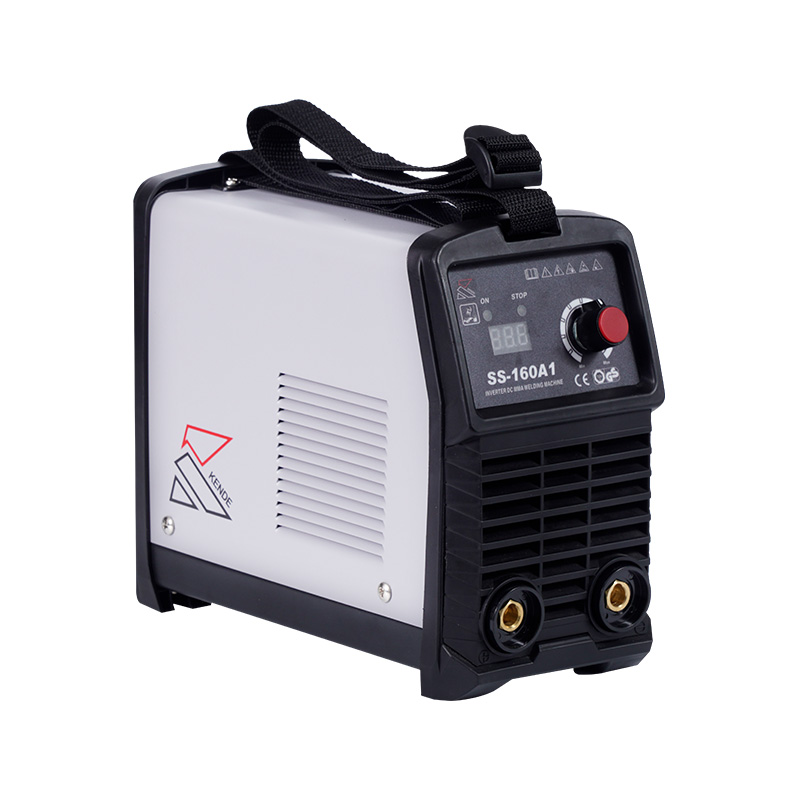
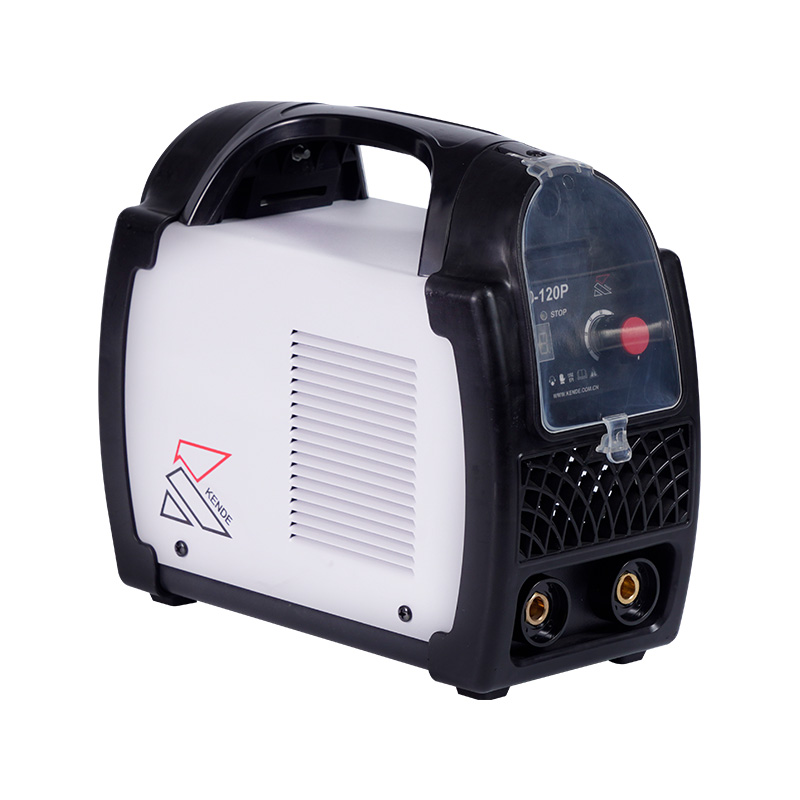
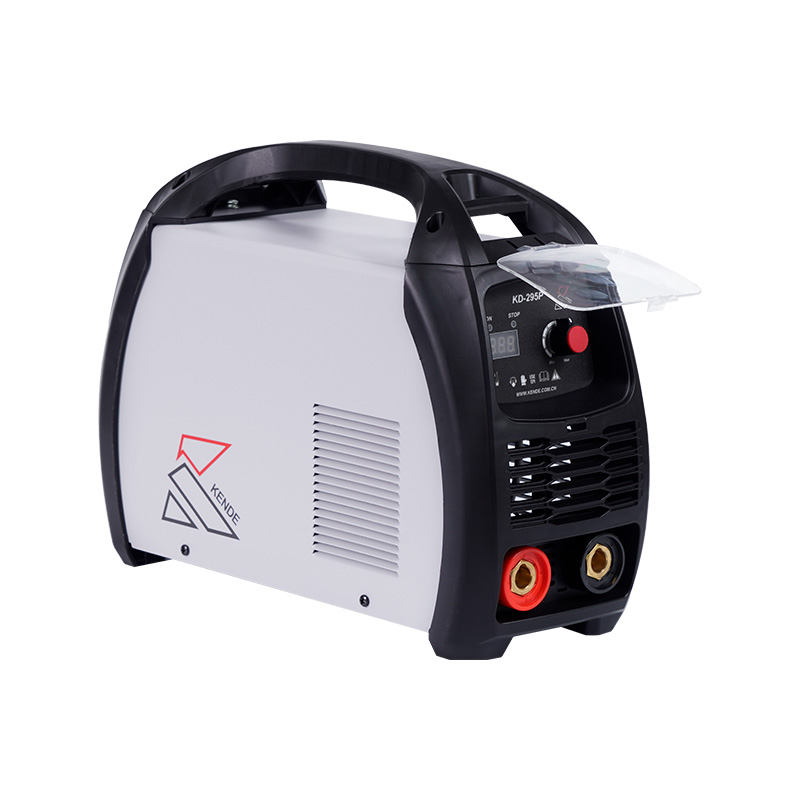
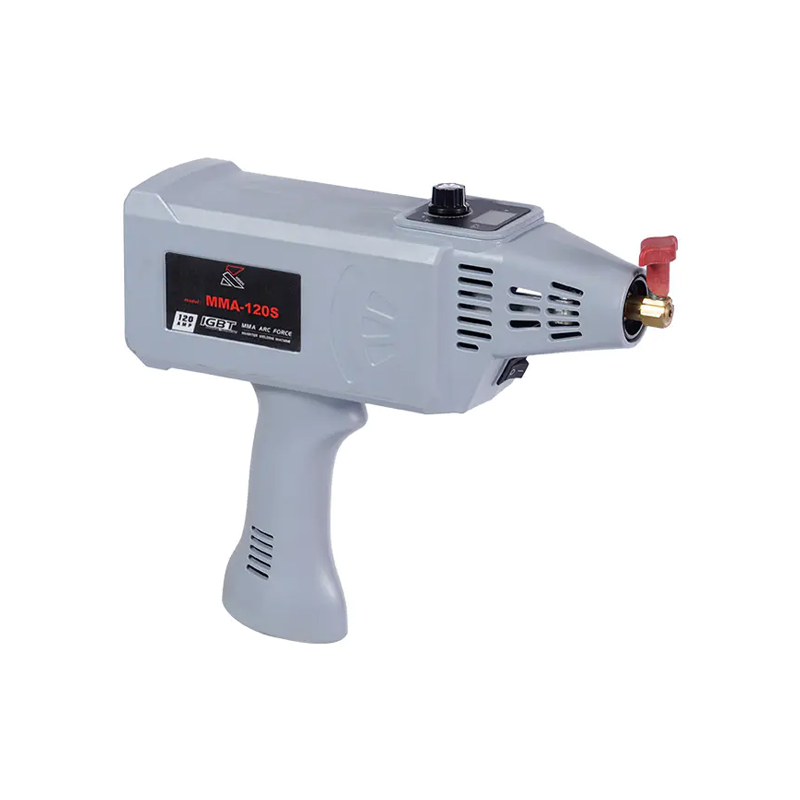
Different industries demand different welding solutions. Heavy construction projects may require high-power industrial machines, while small workshops need compact and portable units. A Welding Machine Factory must respond to these varied requirements without sacrificing reliability.
This flexibility often involves producing multiple product lines. Some machines are designed for continuous industrial use, while others focus on energy efficiency and user-friendly controls. By adjusting production plans and component sourcing, factories can serve a wide range of customers.
Welding equipment operates in demanding environments. Heat, dust, and long working hours put stress on internal components. To ensure durability, a Welding Machine Factory implements strict quality inspection procedures.
Testing often includes load simulations, thermal performance checks, and safety compliance verification. Machines may run for extended periods under controlled conditions before shipment. These tests reduce the risk of malfunction once the equipment reaches the field.
Quality control is not limited to final inspection. Incoming materials, circuit boards, and casings are also examined carefully. This layered approach strengthens consistency across production batches.
Industrial equipment is becoming more connected. Some modern welding machines include digital displays, programmable settings, and protection systems that monitor voltage fluctuations. A Welding Machine Factory must integrate electronics and software alongside traditional mechanical components.
This integration requires collaboration between electrical engineers, software developers, and production technicians. By combining these skills, factories can create machines that offer precise parameter adjustments and improved safety mechanisms.
Although welding remains a hands-on craft, technology helps operators achieve more stable results with fewer manual adjustments.
Manufacturing equipment carries environmental responsibilities. A Welding Machine Factory can contribute by improving energy efficiency during both production and machine operation.
Efficient transformers, reduced standby power consumption, and thoughtful material selection are examples of gradual improvements. Additionally, streamlined production processes reduce material waste and energy usage inside the factory itself.
These changes reflect a broader shift toward responsible manufacturing practices, even in heavy industry sectors.
A Welding Machine Factory does not end its relationship with customers at the point of sale. After-sales support, spare parts supply, and technical guidance strengthen trust. Contractors and workshops often rely on consistent equipment performance over many years.
Training materials and maintenance recommendations also help users extend machine lifespan. This ongoing support transforms a simple equipment transaction into a lasting partnership.
A Welding Machine Factory might seem like just another industrial facility. In reality, it serves as a backbone for construction, automotive manufacturing, shipbuilding, and countless other sectors.
By combining engineering precision, adaptable production, quality control, and technical support, a Welding Machine Factory contributes quietly but significantly to modern infrastructure. The sparks seen on job sites are only the visible result of careful planning and manufacturing that began long before metal ever touched metal.
Recommended Products

Contact Us
No.2299, Luqiao Section, Shugang Avenue, Luqiao District, Taizhou, 318057 Zhejiang, PR China.
+86-576-82431568
 Privacy
China Welding Machine Factory
 English
 中文简体
中文简体
 русский
 Español
 عربى
عربى
 Français
 Português
 Deutsch
 Український